The Scientific Understanding of Crime and Criminals | Criminology

A conceptual and scientific-themed illustration representing the understanding of crime and criminals, featuring a human brain, DNA strands, legal symbols like scales of justice, and a dark cityscape, symbolizing the analytical approach to criminology.

Introduction to the Scientific Understanding of Crime and Criminals Crime and criminal behavior have been subjects of profound inquiry for centuries. Understanding the scientific dimensions of these phenomena is critical for developing effective strategies for prevention, intervention, and rehabilitation. The scientific understanding of crime and criminals involves a multidisciplinary approach, incorporating insights from criminology, psychology, … Read more
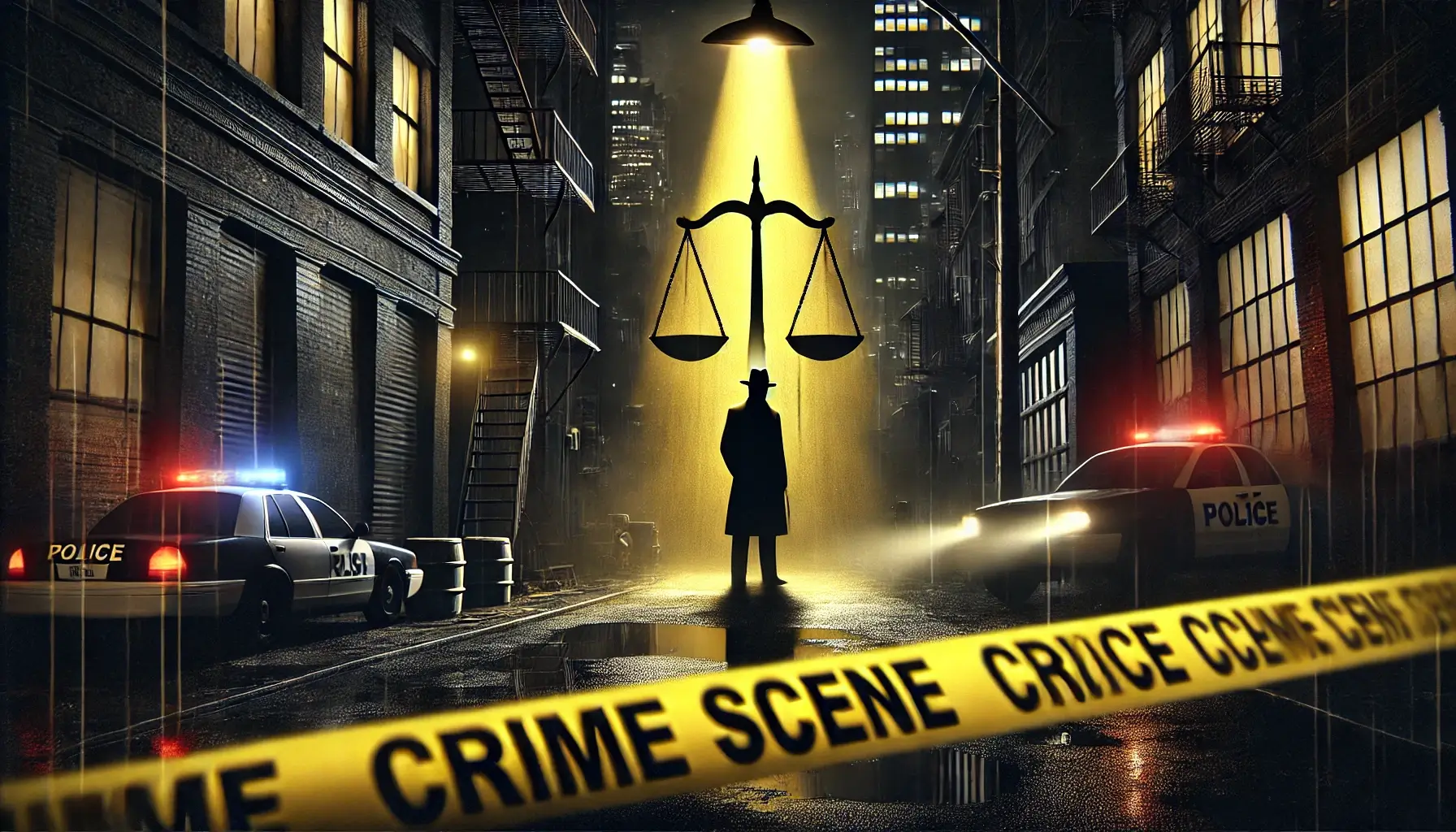

The Concept of Crime and Criminal: Definition, Theories, and Impact

"A conceptual illustration representing crime and criminals, featuring a dark alleyway with a mysterious silhouette, crime scene tape, and police sirens reflecting off nearby buildings."

Introduction Crime and criminality are among the most debated topics in legal, sociological, and psychological studies. The definitions, causes, and implications of crime have evolved over time, reflecting the complexity of human societies. Understanding what constitutes a crime and who qualifies as a criminal is essential for creating effective laws, policies, and social interventions. This … Read more

Edwin Sutherland’s Differential Association Theory: An In-Depth Analysis

Image illustrating the concept of Edwin Sutherland's differential association theory, with a diagram highlighting the influence of social factors on criminal behavior.

Introduction : Overview of Edwin Sutherland and the significance of his theory Edwin Sutherland’s Differential Association Theory is one of the most influential theories in criminology. Introduced in the early 20th century, this theory proposes that criminal behavior is learned through social interactions. Unlike biological or psychological explanations of crime, Sutherland emphasized the role of … Read more

Enrico Ferri’s concept of criminology

Widescreen illustration of Enrico Ferri in a scholarly study with books and legal documents, representing his criminological concepts.

Introduction Criminology as a discipline is devoted to unraveling the mysteries of crime—its origins, its effects, and the best ways to address it. Enrico Ferri, an Italian criminologist and one of the founding figures of the positivist school of criminology, argued that criminal behavior could not be solely explained by the idea of free will. … Read more

The Narrow Concepts of Criminology

Investigation board with red strings connecting clues, a detective thinking deeply, and a forensic lab analyzing DNA and fingerprints, symbolizing criminal investigation.

Introduction Criminology is a complex and evolving discipline that seeks to understand crime, criminal behavior, and the societal responses to lawbreaking. Over time, criminologists have developed various theories and frameworks to analyze crime, ranging from broad interdisciplinary approaches to more focused perspectives. The narrow concepts of criminology concentrate on specific aspects of criminal behavior, law … Read more

The Broad Concept of Criminology

A symbolic representation of criminology featuring justice scales, a crime scene, and digital forensic elements in a futuristic setting.

Criminology, as a scientific discipline, has evolved over centuries, integrating various theories, perspectives, and schools of thought. This vast field examines crime, criminal behavior, and the societal responses to deviant activities. The study of criminology extends beyond legal definitions, incorporating sociological, psychological, and biological dimensions. This article explores the broad concept of criminology by discussing … Read more

Criminal Activity in Criminology

Q dimly lit detective’s desk with evidence photos, crime scene markers, and a forensic report, symbolizing criminology and criminal activity.

Criminal activity has long been a subject of study in criminology, a discipline dedicated to understanding crime, its causes, and its impact on society. From ancient times to modern-day criminology, scholars have attempted to analyze criminal behavior through various perspectives, including psychological, sociological, and biological dimensions. This article explores criminal activity within criminology, incorporating insights … Read more

Criminality as a Collective Issue

A conceptual illustration of criminality as a collective issue, showing a cityscape with interconnected figures symbolizing societal links to crime.

Criminality has long been perceived as an individual failure, a consequence of personal moral corruption, psychological disorders, or defective upbringing. However, modern criminology increasingly views crime as a collective issue, deeply embedded in societal structures and systemic inequalities. This article explores criminality as a social phenomenon, influenced by economic disparity, cultural dynamics, and institutional shortcomings, … Read more

The Formative School: The Classical Formative School and the Modern Formative School

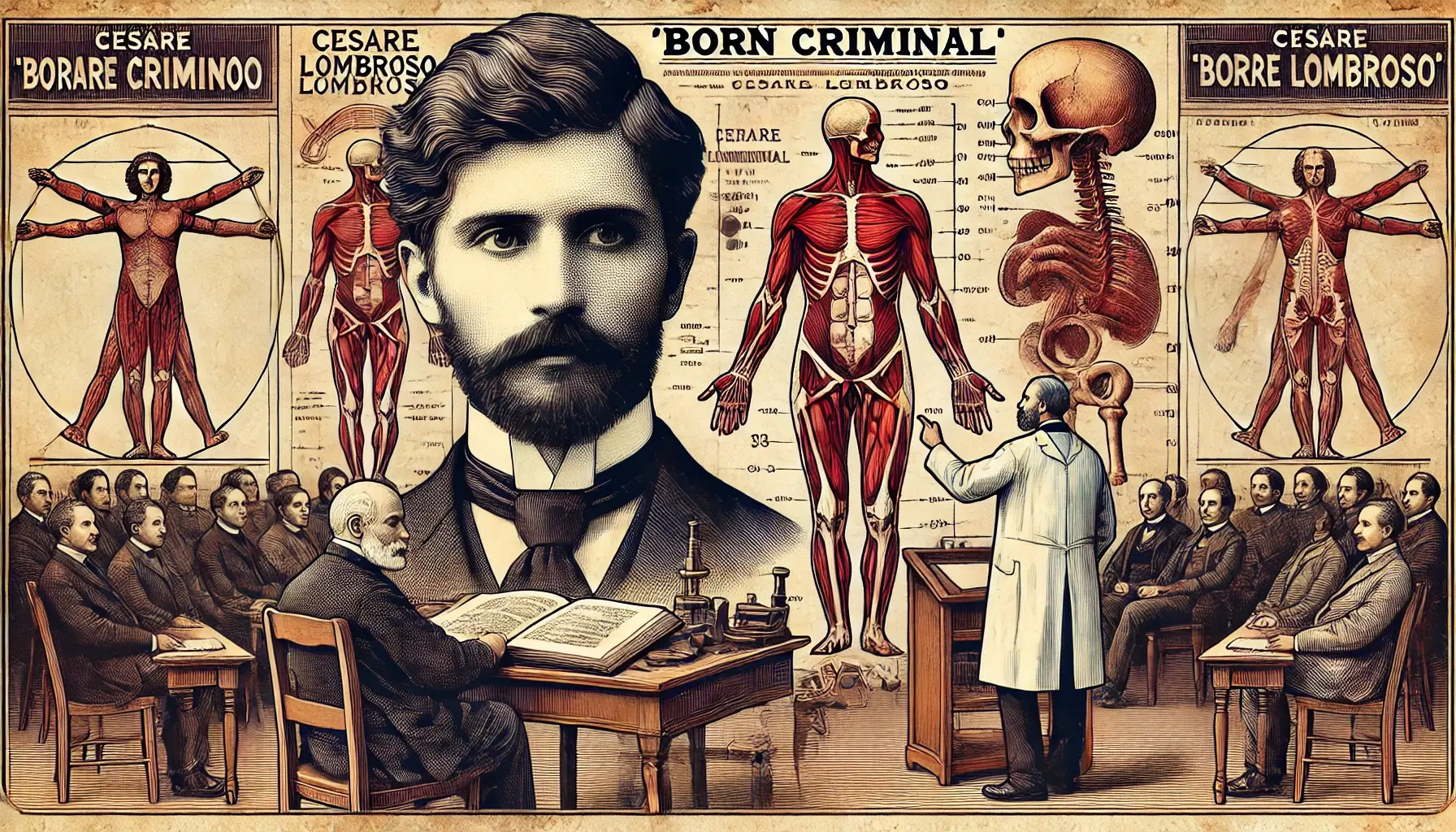
Cesare Lombroso presenting his theory of born criminals

The Formative School represents a pivotal paradigm in criminology, emphasizing the exploration of criminal behavior through biological, psychological, and sociological lenses. Emerging as a response to classical theories, this school of thought bridges scientific rigor with practical applications. By examining the origins and evolution of criminal tendencies, the Formative School has significantly contributed to understanding, … Read more

Modern Formation School in Criminology

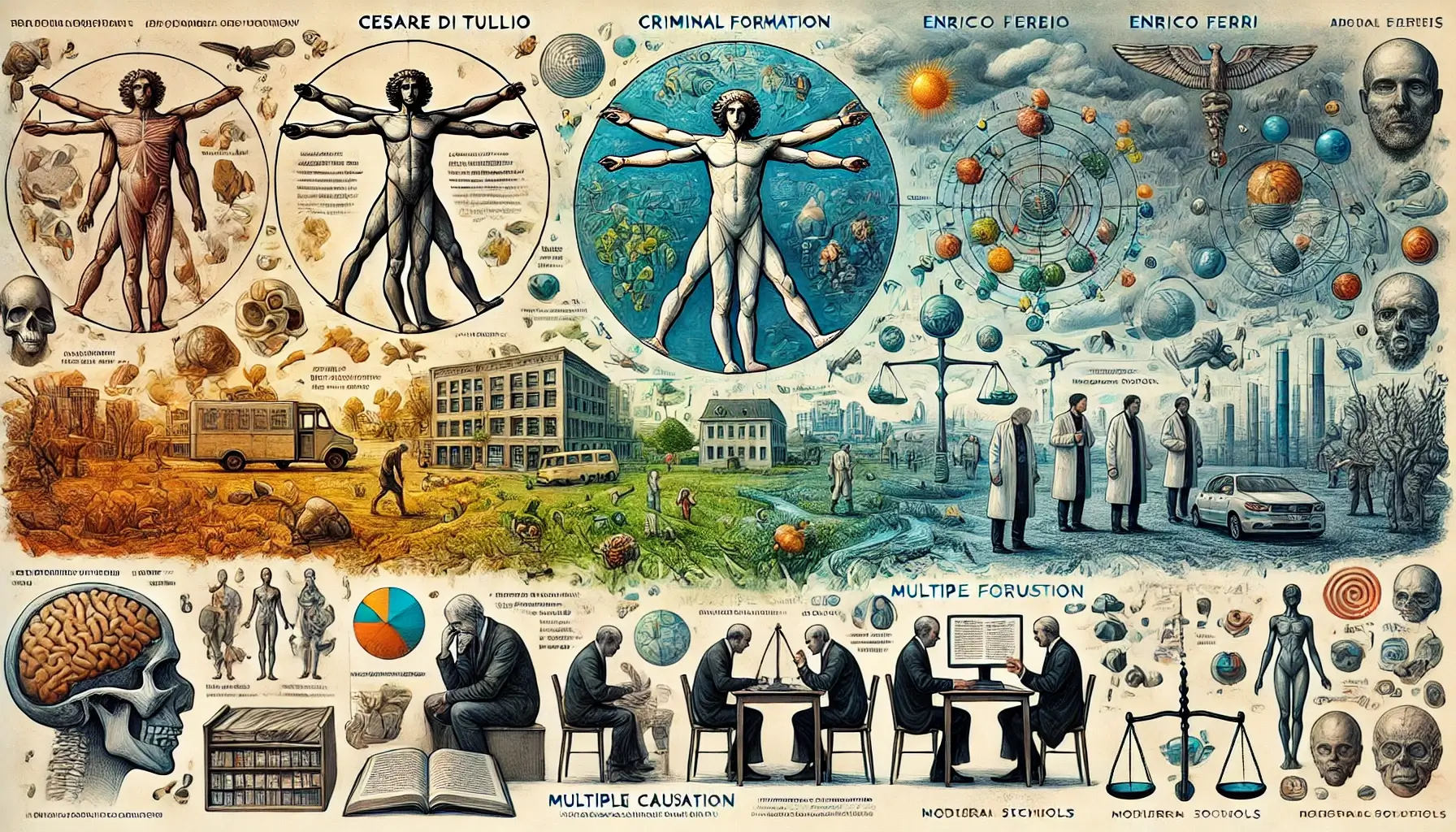
Modern Formation School in Criminology A Comprehensive Overview

The Modern Formation School in criminology represents a significant evolution in the study of criminal behavior. By emphasizing the interplay of biological, psychological, and sociological factors, this school of thought seeks to provide a comprehensive understanding of crime and its underlying causes. Within this framework, two prominent theories stand out: the Criminal Formation Theory by … Read more

Lombroso’s Theory and Its Evaluation: A Historical Insight into the Classical Formation School of Criminology

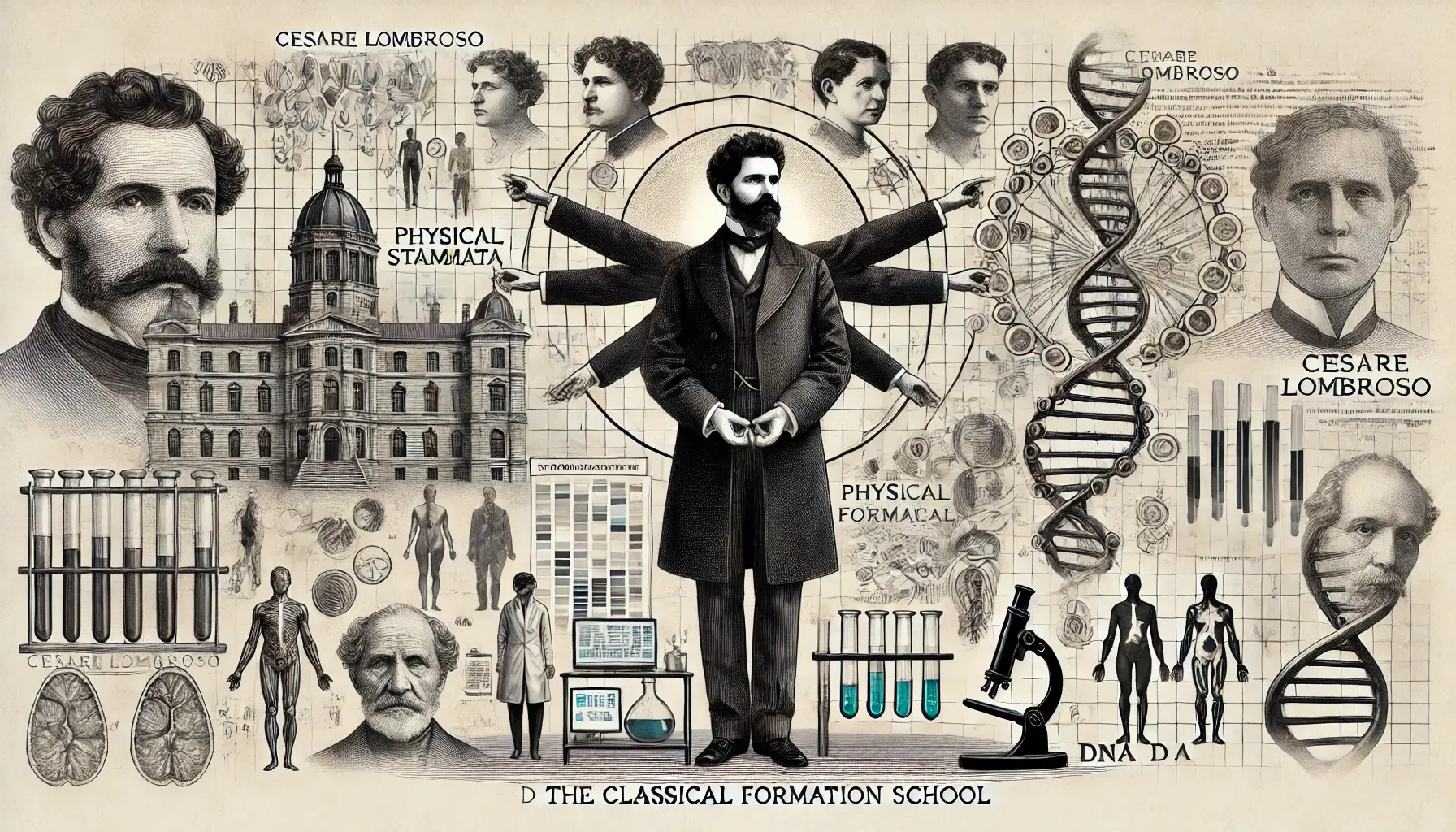
Lombroso's Theory and Its Evaluation: A Historical Insight into the Classical Formation School of Criminology

Introduction The Classical Formation School of criminology marks a significant turning point in understanding crime and criminal behavior. Among its most influential contributors was Cesare Lombroso, an Italian physician and criminologist whose theories profoundly shaped the early development of the field. Lombroso introduced the idea that criminality was biologically determined, challenging the classical view that … Read more

The Positivist School and the Anthropological Interpretatio

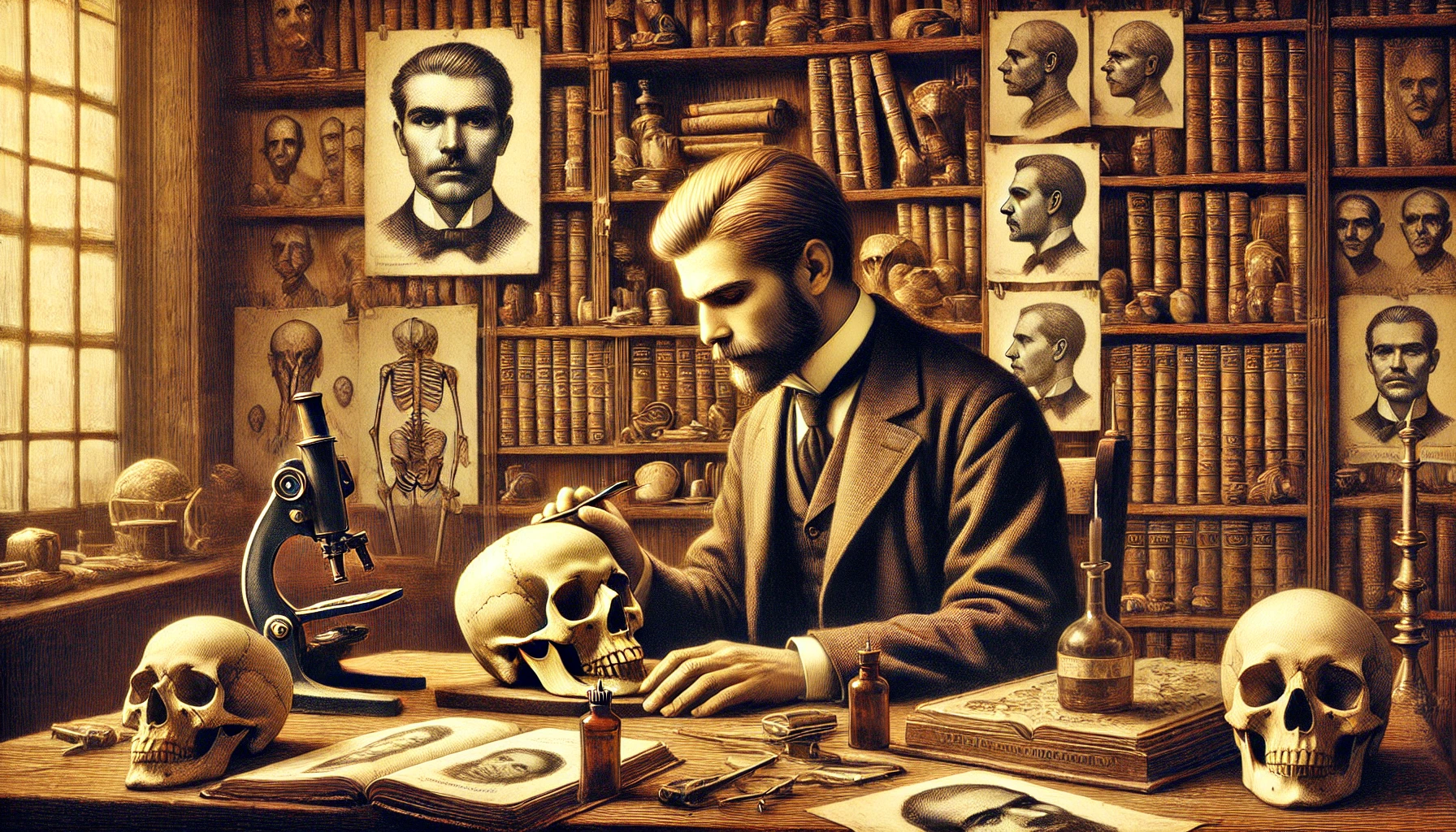
A historical depiction of Cesare Lombroso studying a skull in a 19th-century laboratory, surrounded by books, anatomical models, and criminal sketches, symbolizing the Positivist School's scientific and anthropological approach to criminology.

Introduction The emergence of the Positivist School marked a revolutionary phase in criminology, steering the discipline towards a more scientific approach to understanding criminal behavior. By focusing on empirical evidence, the Positivist School challenged earlier philosophical and moralistic interpretations of crime, offering a framework rooted in observable and measurable phenomena. Central to this movement was … Read more