Modern Formation School in Criminology

Modern Formation School in Criminology A Comprehensive Overview
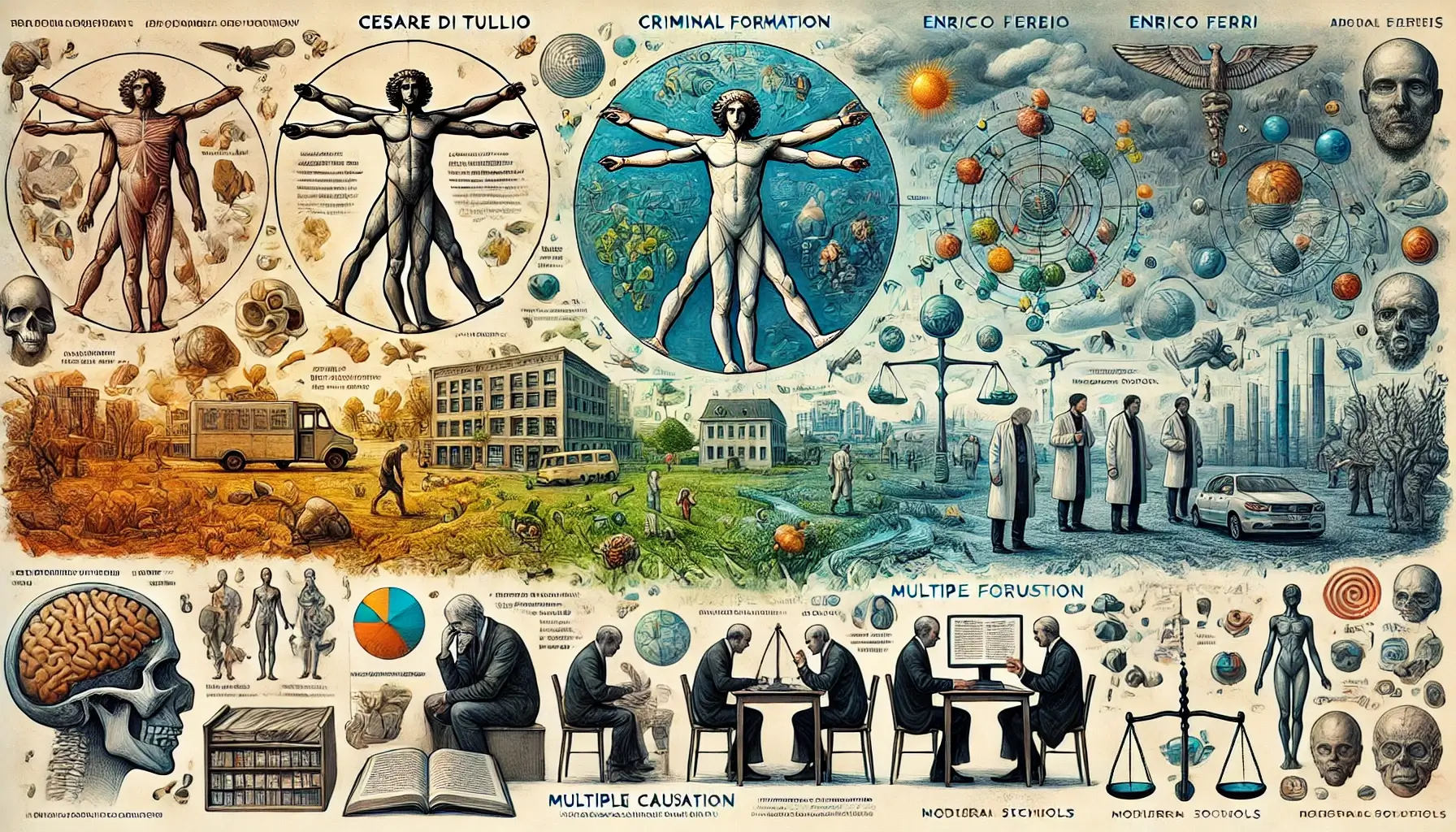
The Modern Formation School in criminology represents a significant evolution in the study of criminal behavior. By emphasizing the interplay of biological, psychological, and sociological factors, this school of thought seeks to provide a comprehensive understanding of crime and its underlying causes. Within this framework, two prominent theories stand out: the Criminal Formation Theory by … Read more
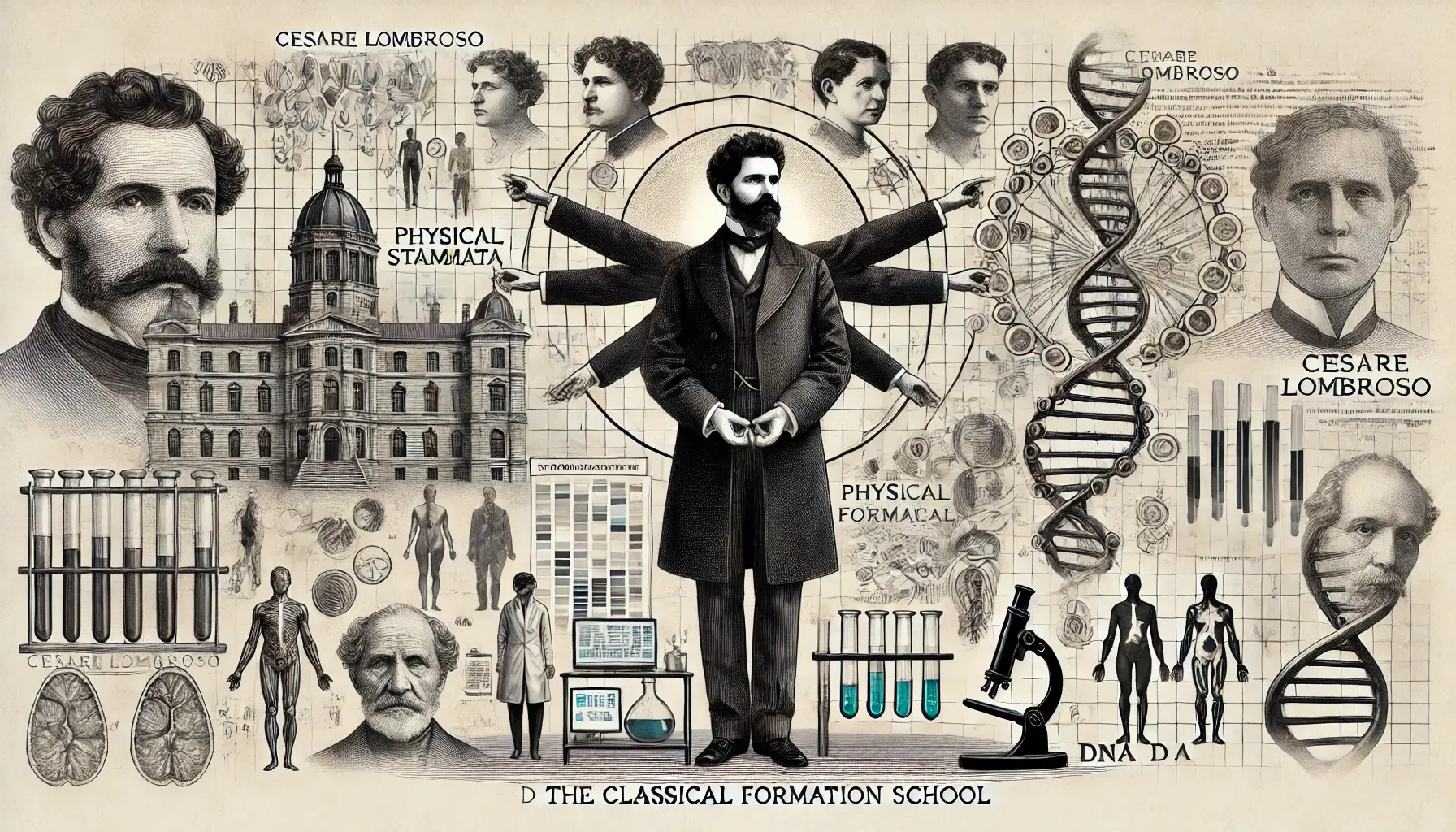
Lombroso’s Theory and Its Evaluation: A Historical Insight into the Classical Formation School of Criminology

Lombroso's Theory and Its Evaluation: A Historical Insight into the Classical Formation School of Criminology

Introduction The Classical Formation School of criminology marks a significant turning point in understanding crime and criminal behavior. Among its most influential contributors was Cesare Lombroso, an Italian physician and criminologist whose theories profoundly shaped the early development of the field. Lombroso introduced the idea that criminality was biologically determined, challenging the classical view that … Read more

The Positivist School and the Anthropological Interpretatio

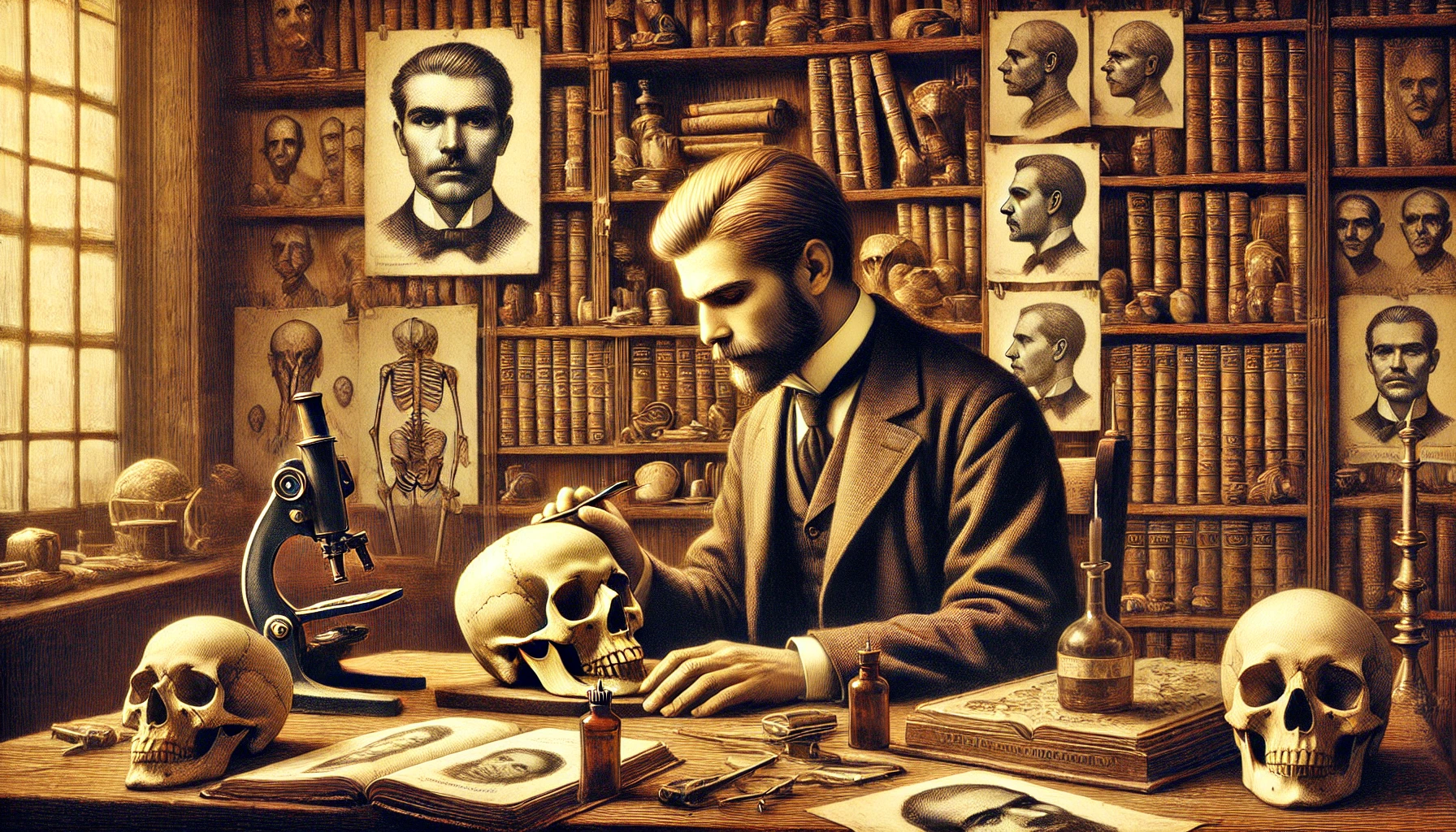
A historical depiction of Cesare Lombroso studying a skull in a 19th-century laboratory, surrounded by books, anatomical models, and criminal sketches, symbolizing the Positivist School's scientific and anthropological approach to criminology.

Introduction The emergence of the Positivist School marked a revolutionary phase in criminology, steering the discipline towards a more scientific approach to understanding criminal behavior. By focusing on empirical evidence, the Positivist School challenged earlier philosophical and moralistic interpretations of crime, offering a framework rooted in observable and measurable phenomena. Central to this movement was … Read more

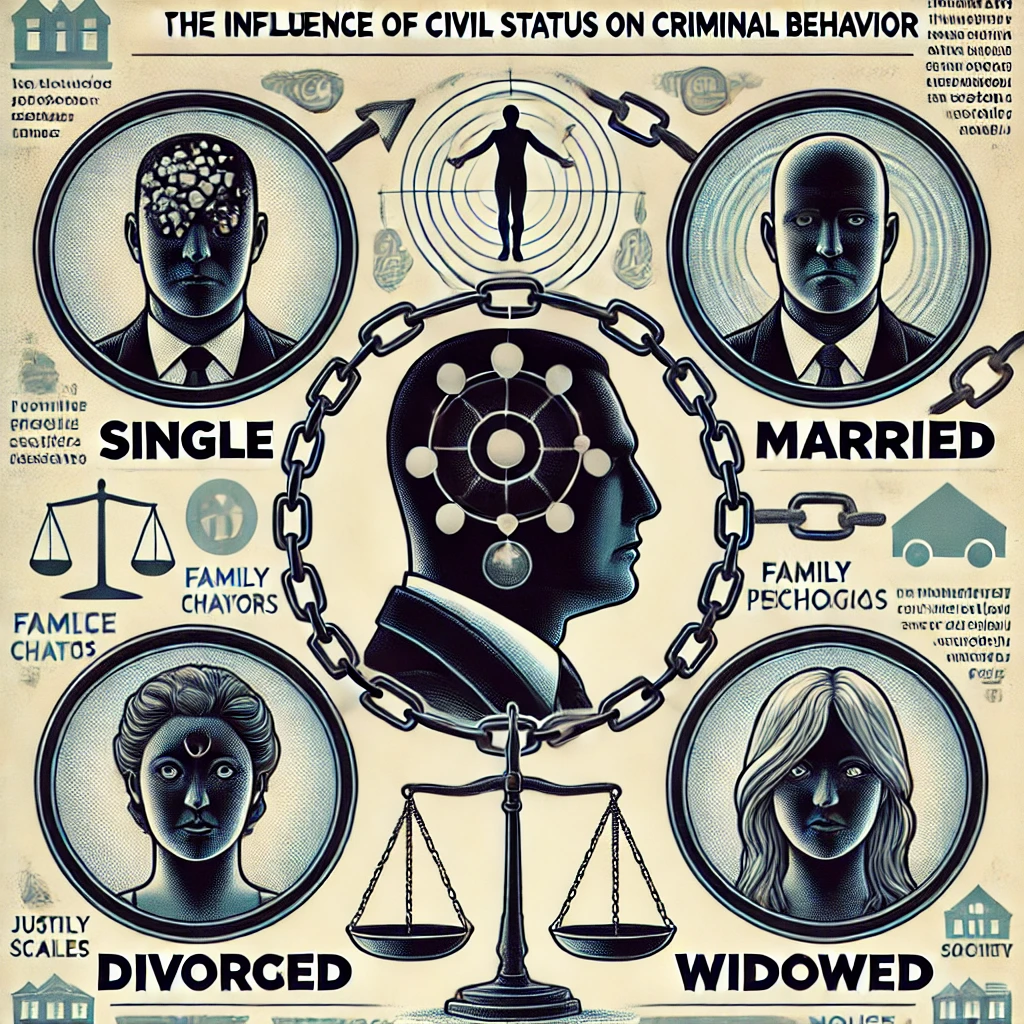
The Influence of Civil Status on Criminal Behavior

Influence of marital status on criminal behavior

Criminal behavior is a complex phenomenon influenced by a variety of social, psychological, and environmental factors. Among these, civil status—whether an individual is single, married, divorced, or widowed—plays a significant role. Understanding how civil status affects criminal tendencies can provide insights into social structures and guide policymakers in developing targeted prevention strategies. This article explores … Read more

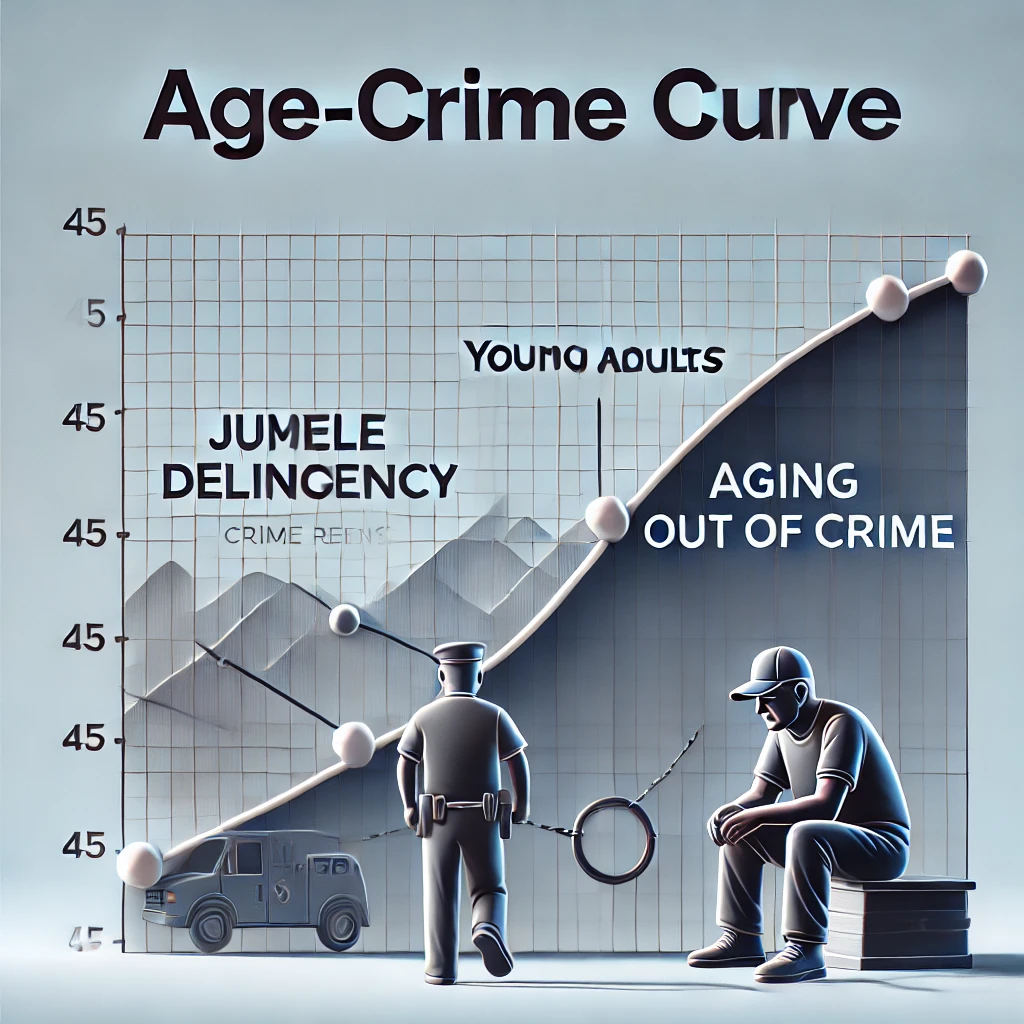
The Role of Age in Criminal Behavior

What is the age-crime curve?

The study of criminal behavior is a multidisciplinary endeavor, encompassing sociology, psychology, and criminology. Among the many factors that influence criminal activity, age emerges as a crucial determinant. Research consistently shows that criminal behavior varies significantly across different age groups, with distinct patterns, motivations, and societal impacts. Understanding the role of age in criminal behavior … Read more

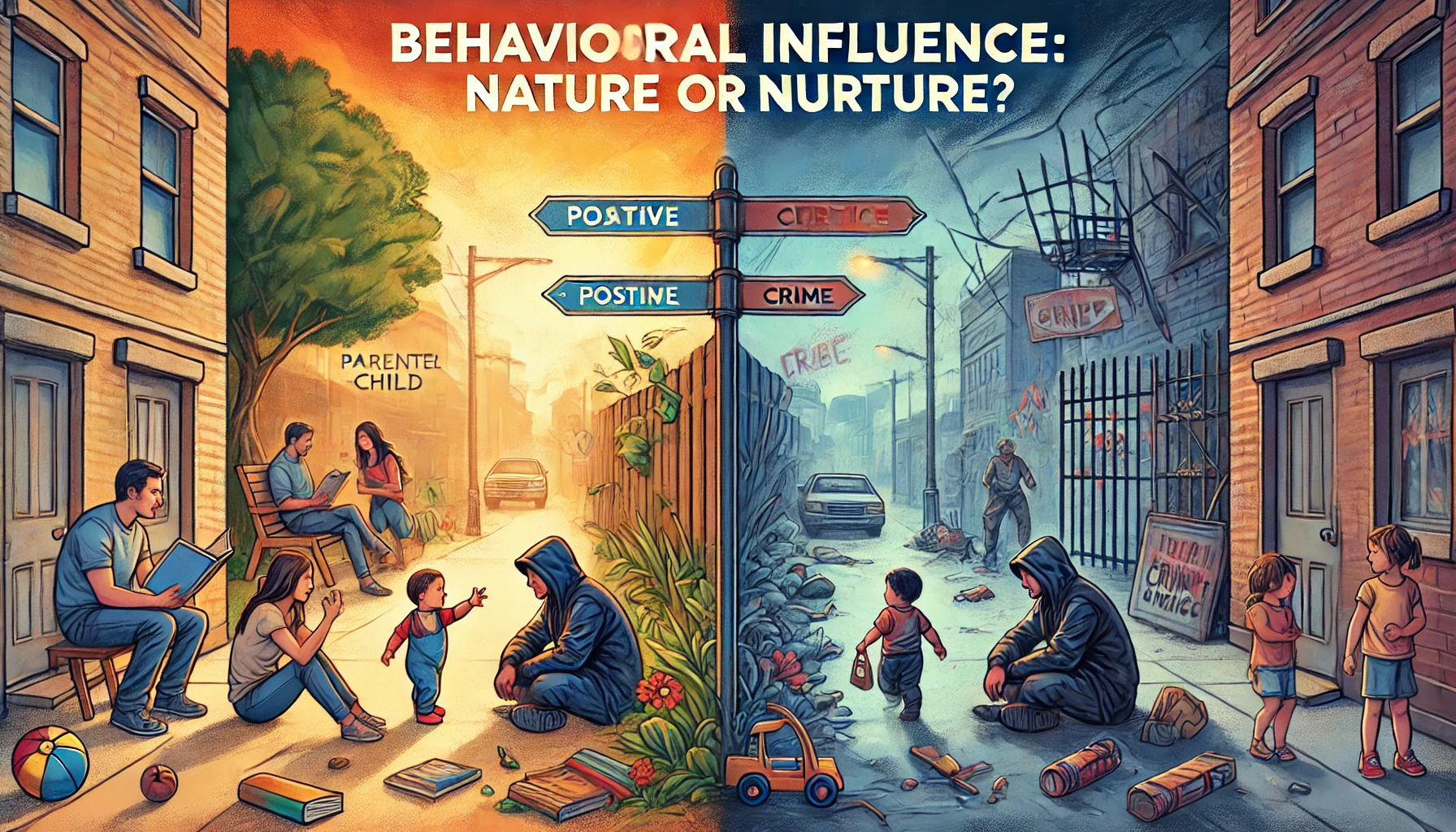
Parent-Child Behavioral Similarities in Crime | Criminology

The Foundations of Parent-Child Behavioral Similarities

Understanding the transmission of criminal behavior within families has long been a focus of criminology and psychology. Parent-child behavioral similarities in crime highlight the complex interplay of genetics, upbringing, and environmental factors. Why do certain traits or behaviors appear to pass from one generation to the next? This article explores the factors contributing to such … Read more

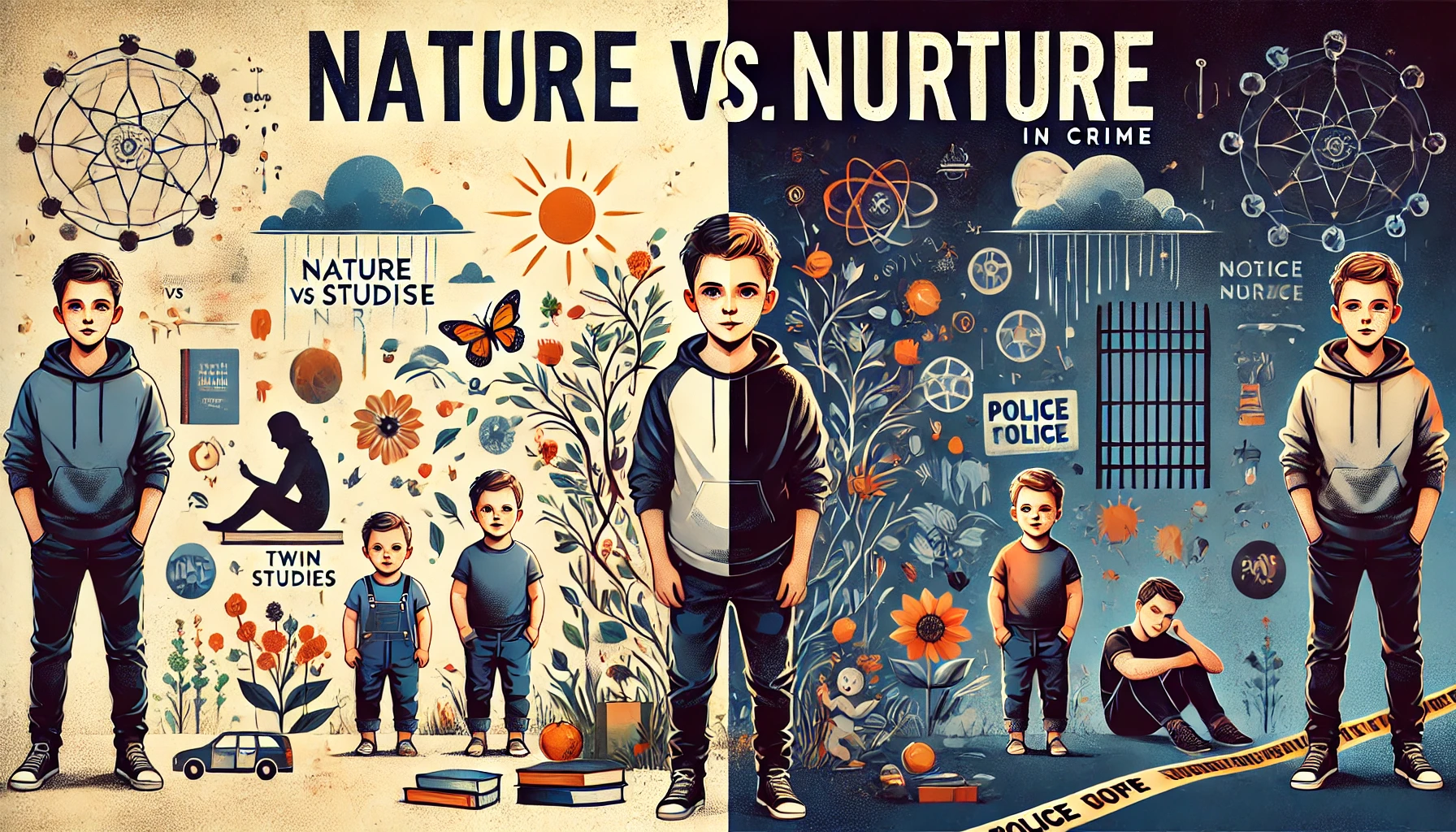
Twin Studies: Nature vs. Nurture in Crime

An illustration depicting nature vs. nurture in crime through twin studies, showing the interplay between genetic and environmental factors.

The debate between nature and nurture has long fascinated scientists, especially in understanding human behavior and criminal tendencies. Twin studies offer a unique lens to explore this dynamic by examining the genetic and environmental factors influencing crime. Identical twins (monozygotic) share 100% of their DNA, while fraternal twins (dizygotic) share about 50%. Comparing these groups … Read more

Family Tree Studies and Crime: Exploring the Link Between Genealogy and Criminal Behavior

A detective's desk showcasing a family tree and DNA analysis tools used in crime investigation.

The study of family trees, or genealogy, has long fascinated individuals seeking to uncover their heritage and cultural roots. Beyond personal curiosity, genealogy has emerged as a powerful tool in scientific research, particularly in criminology. By analyzing familial relationships and genetic data, researchers have begun to explore how family histories and inherited traits might influence … Read more

Criminal Statistics for Both Men and Women

Criminal Statistics for Both Men and Women

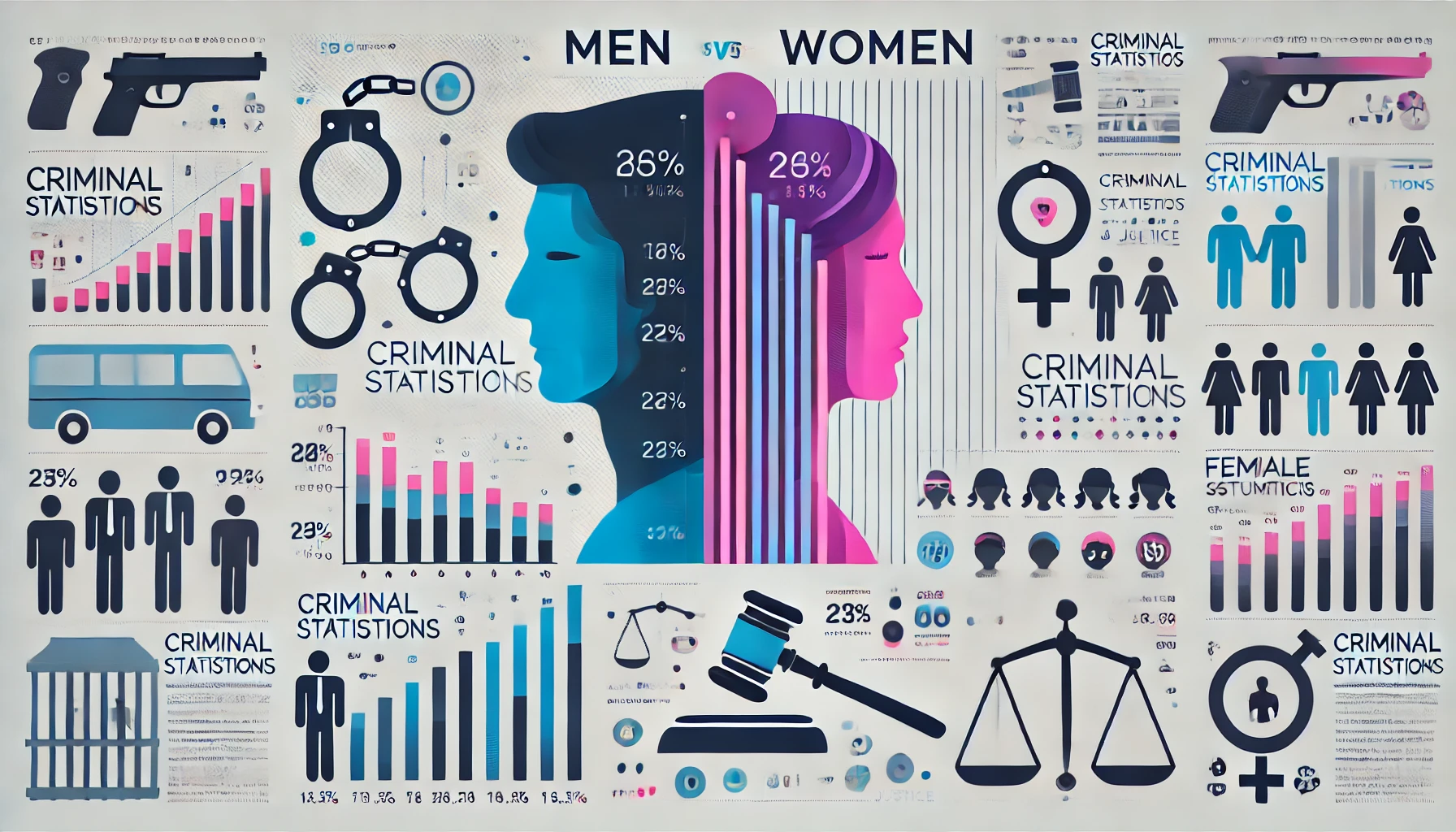
Introduction Understanding crime through the lens of gender not only reveals behavioral trends but also sheds light on systemic issues within law enforcement and the justice system. Recognizing the underlying causes of gender disparities in crime statistics helps policy makers and researchers develop more effective, inclusive solutions. 1. Global Crime Statistics: An Overview Regional differences … Read more

Comparison Between Criminal and Primitive Man

Differences between primitive behavior and modern crime

Introduction 1. Historical Background 2. Biological Comparisons 3. Psychological Parallels 4. Sociological Aspects 5. Evolutionary Perspectives 6. Differences Between Primitive Man and Criminal Behavior 7. Anthropological and Criminological Insights 8. Critiques and Modern Viewpoints Conclusion

The Genetic Factor in Criminal Behavior

The Genetic Factor in Criminal Behavior

Is criminal behavior inherited, or is it shaped solely by environment? This question has intrigued criminologists and geneticists for decades. While environmental factors like upbringing, education, and peer influence undoubtedly play significant roles, there is increasing evidence suggesting that genetics also contribute to criminal tendencies. This article explores the genetic basis of criminal behavior, focusing … Read more

The Natural Formation of the Criminal: A Criminological Perspective

Illustration showing the natural formation of criminal behavior through genetic and environmental influences.

The study of criminal behavior has long fascinated researchers, psychologists, sociologists, and criminologists. Among the many frameworks for understanding the origins of crime is the examination of natural and genetic factors. These elements, collectively referred to as the natural formation of the criminal, explore the biological and hereditary influences that predispose individuals to deviant behaviors. … Read more