Serial Killer in Criminology: Theories, Schools, and Thinkers

An infographic illustrating different schools of criminology, including classical, biological, psychological, and social theories, with focus on serial killer analysis.

Introduction The phenomenon of the serial killer has always captured the attention of criminologists, psychologists, and the general public alike. In criminology, serial killers represent one of the most extreme and disturbing examples of criminal behavior, where individuals repeatedly commit murder over an extended period, usually driven by psychological, social, or biological motives. Unlike ordinary … Read more

The Psychological Profiling of Serial Killers: Inside the Criminal Mind
The study of serial killers combines psychology, criminology, and sociology to understand extreme human behavior. This research explores the evolution of psychological profiling, key personality traits, the impact of childhood trauma, societal influences, and the methods and patterns of serial killers. Emphasis is placed on Dark Triad traits, profiling techniques, limitations, and ethical considerations. Integrating multidisciplinary insights, the study aims to enhance investigative strategies, preventive approaches, and academic understanding.

Introduction: Unlocking the Minds Behind the Murders The phenomenon of serial killers occupies a unique and unsettling space in the realm of criminal behavior. These individuals—responsible for multiple murders committed over a period of time, often following a distinct modus operandi—have long fascinated criminologists, psychologists, law enforcement officers, and the public alike. Their actions defy … Read more
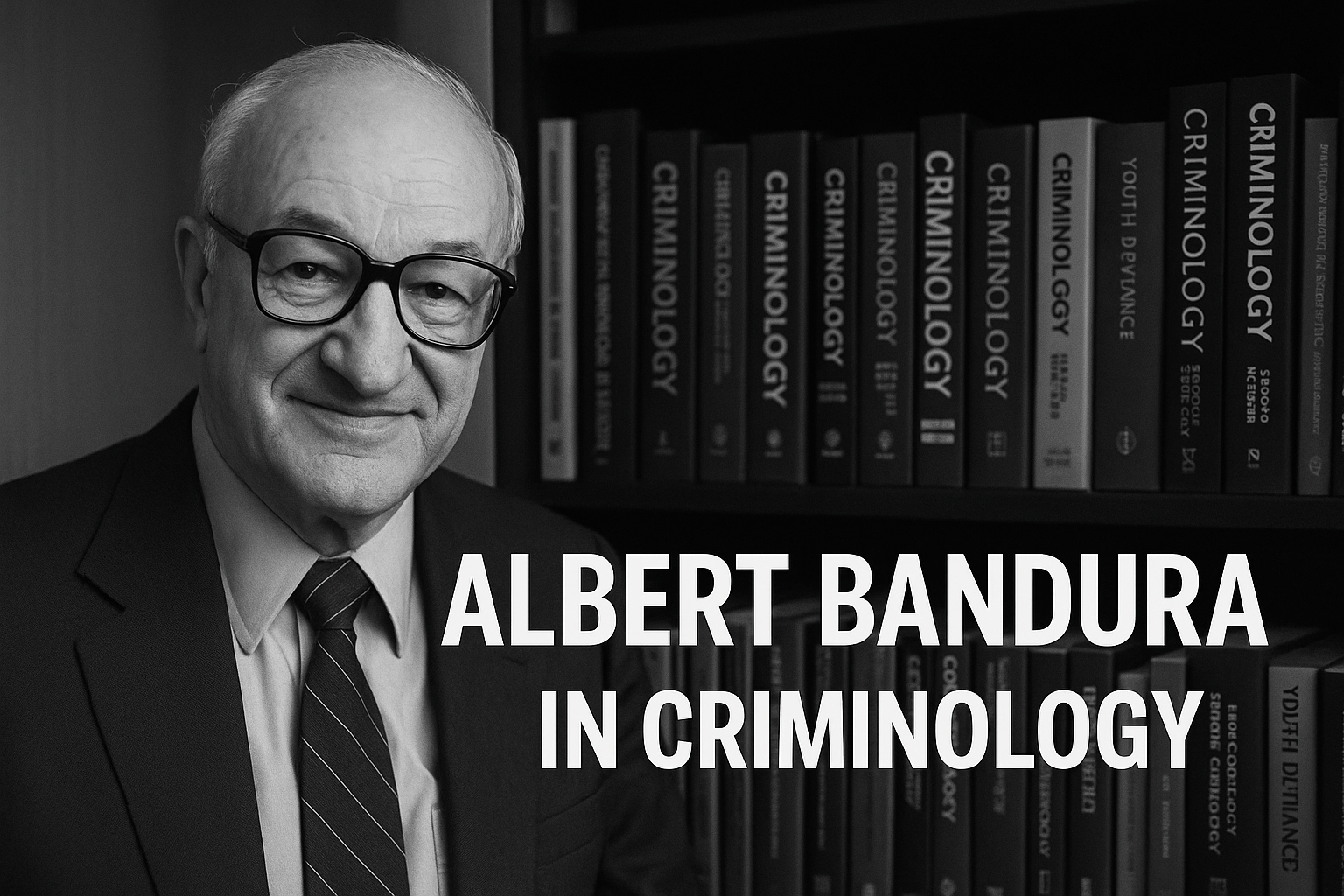

Albert Bandura in Criminology: Social Learning Theory and Crime Prevention

A black and white photo of Albert Bandura smiling in front of a bookshelf filled with criminology books, with bold text reading "Albert Bandura in Criminology," symbolizing his influential role in linking psychology and criminal behavior through social learning theory.

Introduction: Rethinking Criminal Behavior through Social Learning The study of crime has historically been shaped by competing paradigms—biological determinism, psychoanalytic drives, rational choice, and sociological theories of anomie and strain. Within this vast intellectual terrain, the work of Albert Bandura stands out for offering a framework that is both psychologically sound and socially grounded. Bandura’s … Read more

Social Learning Theory in Criminology: How Bandura Changed Crime Research

A professional academic portrait of Albert Bandura, featuring him in a dark suit, light blue shirt, and burgundy tie, with glasses and a calm, confident expression, posed against a blue-gray background.

1. Introduction: A Shift in Understanding Criminal Behavior For decades, criminologists have sought to answer a fundamental question: Why do people commit crimes? Early explanations often focused on biological determinism or the idea that criminal behavior stems from innate traits or physical abnormalities. The Classical School, with figures like Cesare Beccaria and Jeremy Bentham, emphasized … Read more

Analyzing Criminal Behavior: Key Theories and Modern Approaches

A horizontal image showing yellow crime scene tape with the words "CRIME SCENE DO NOT CROSS" and a shadowy figure in a hoodie behind it, overlaid with the bold title “Analyzing Criminal Behavior.”

Introduction: Why Analyzing Criminal Behavior Matters Understanding the causes and manifestations of criminal behavior is a cornerstone of modern criminology. Through the lens of psychology, sociology, biology, and law, analyzing criminal behavior helps researchers, law enforcement, and policymakers develop effective strategies for crime prevention, rehabilitation, and justice. This article explores the most significant approaches used … Read more

What Is Conflict Theory? Understanding Crime and Power in Society

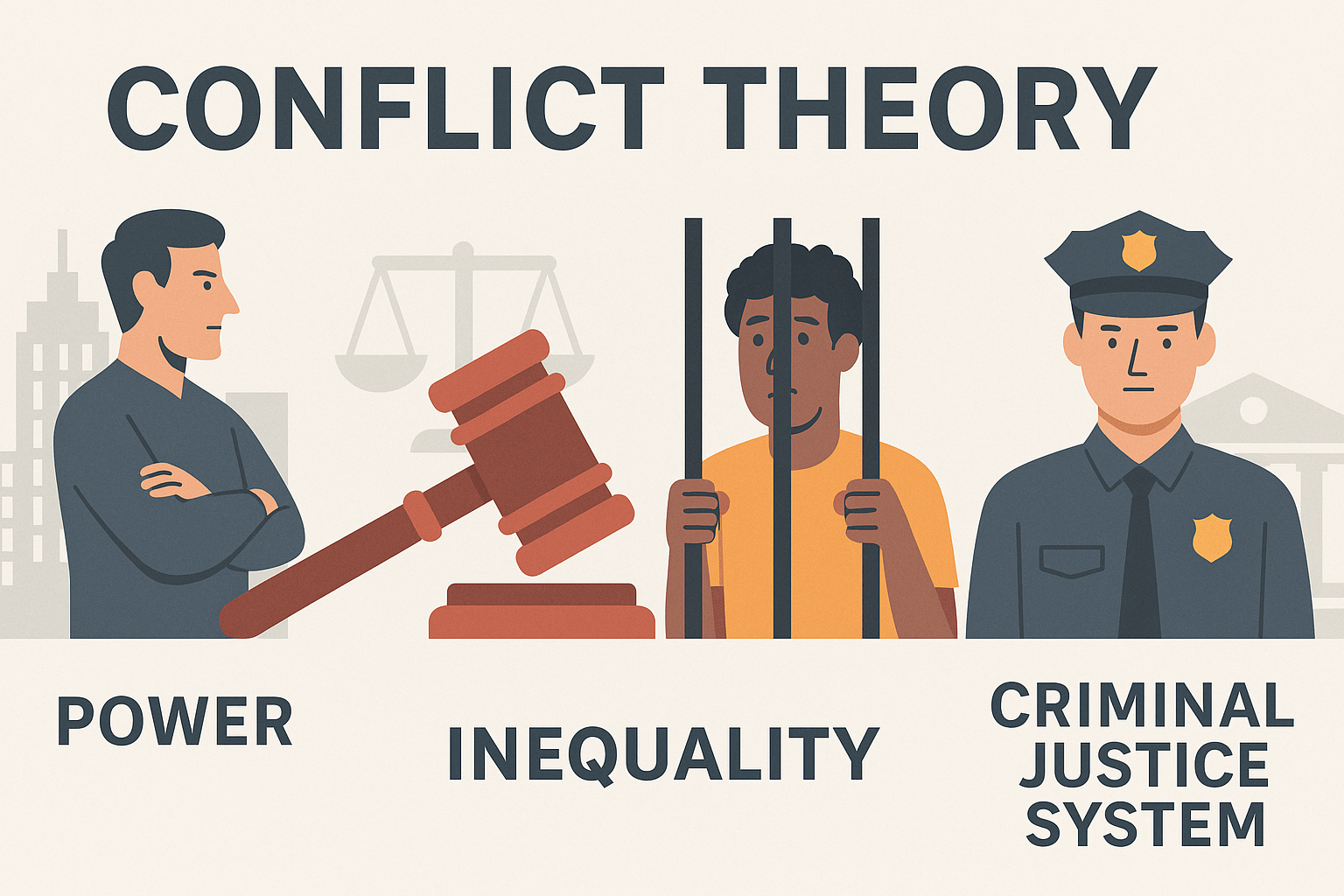
Illustration representing cultural conflict in criminology, highlighting opposing social forces and inequality, with symbolic references to Karl Marx's class struggle theory.

Introduction To Conflict Theory Conflict Theory is one of the most influential perspectives in the field of criminology. Rooted in sociological thought, particularly the ideas of Karl Marx, Conflict Theory suggests that crime is a product of social and economic inequality. It argues that laws and justice systems are tools used by powerful groups to … Read more

The Thermal Law in Criminology: How Temperature Influences Crime Patterns

Infographic showing "The Thermal Law"—on the left, a violent confrontation under a hot sun represents the rise of violent crimes in hot weather; on the right, a masked thief carrying a money bag in a snowy cityscape symbolizes the increase of financial crimes in colder seasons.

1. Introduction: Understanding The Thermal Law in Criminology The study of crime patterns and their causes has long intrigued sociologists, psychologists, and criminologists alike. One fascinating area of research that has gained significant attention is The Thermal Law—a concept that connects climatic temperature variations with fluctuations in criminal behavior. Simply put, The Thermal Law observes … Read more

Ibn Khaldun’s Theory of Heat and Crime: Climate and Human Behavior

A hyperrealistic horizontal portrait of Ibn Khaldun, the 14th-century Arab historian and philosopher, depicted with a thoughtful expression, wearing traditional Islamic garb with a beige turban and cloak, against a warm, ornate background.

Introduction The link between climate and human behavior has intrigued scholars for centuries. One of the earliest thinkers to propose a connection between environmental factors and social dynamics was the 14th-century Arab scholar Ibn Khaldun. In his seminal work Muqaddimah, Ibn Khaldun suggested that heat and climate significantly influence individuals’ temperaments, social organization, and even … Read more

Criminological Theories: Labeling, Stigma, Conflict, and More

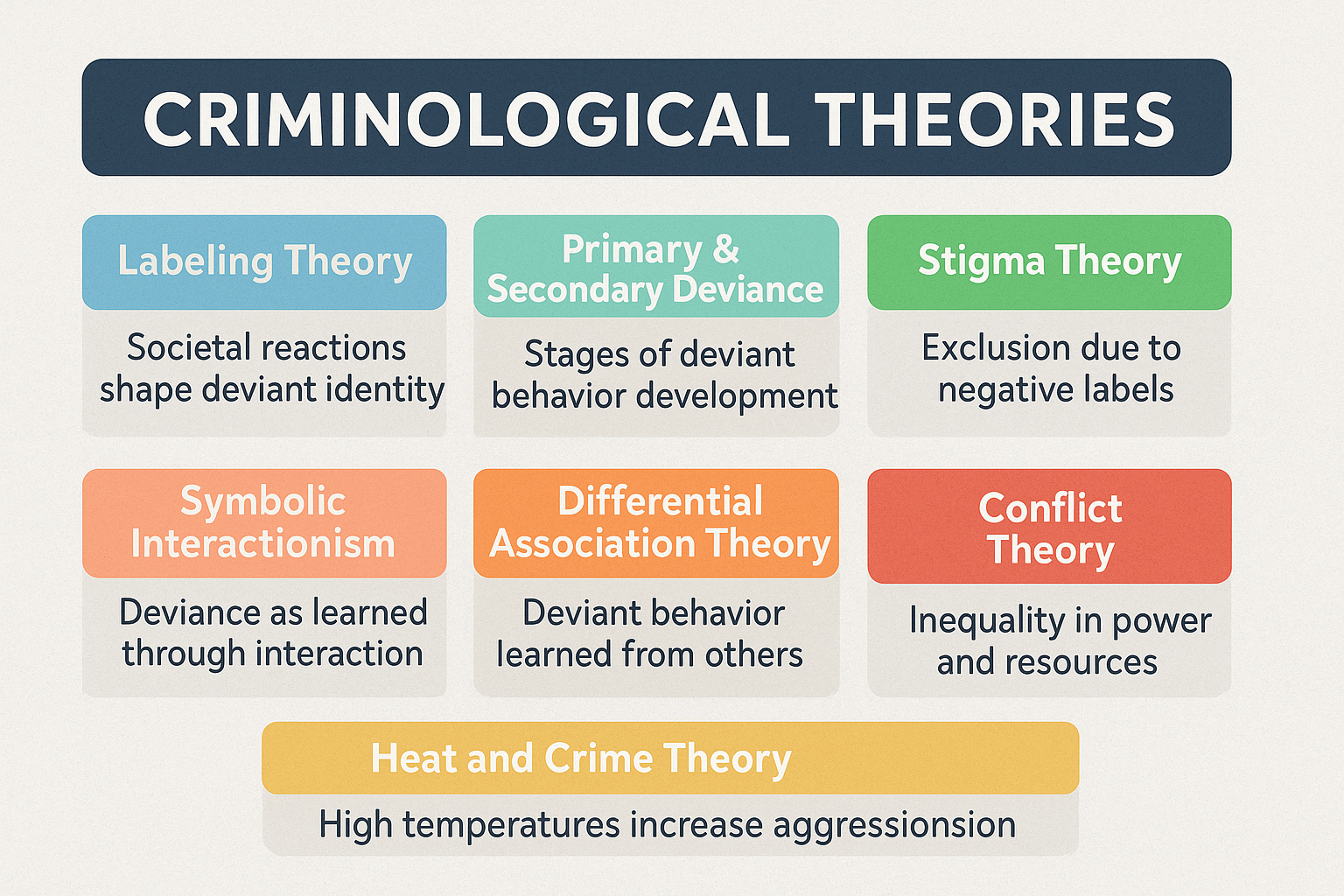
A horizontal 2D infographic presenting seven major criminological theories — Labeling Theory, Primary & Secondary Deviance, Stigma Theory, Symbolic Interactionism, Differential Association, Conflict Theory, and Heat and Crime Theory — with icons and brief summaries of their core concepts and key figures.

Introduction to Criminological Theories Criminology is the scientific study of crime and criminal behavior. To understand the nature of crime, criminologists develop theories to explain why individuals engage in criminal acts. These theories encompass a variety of perspectives that focus on factors such as social reactions, psychological processes, environmental influences, and societal structures. In this … Read more

What Is Labeling Theory?

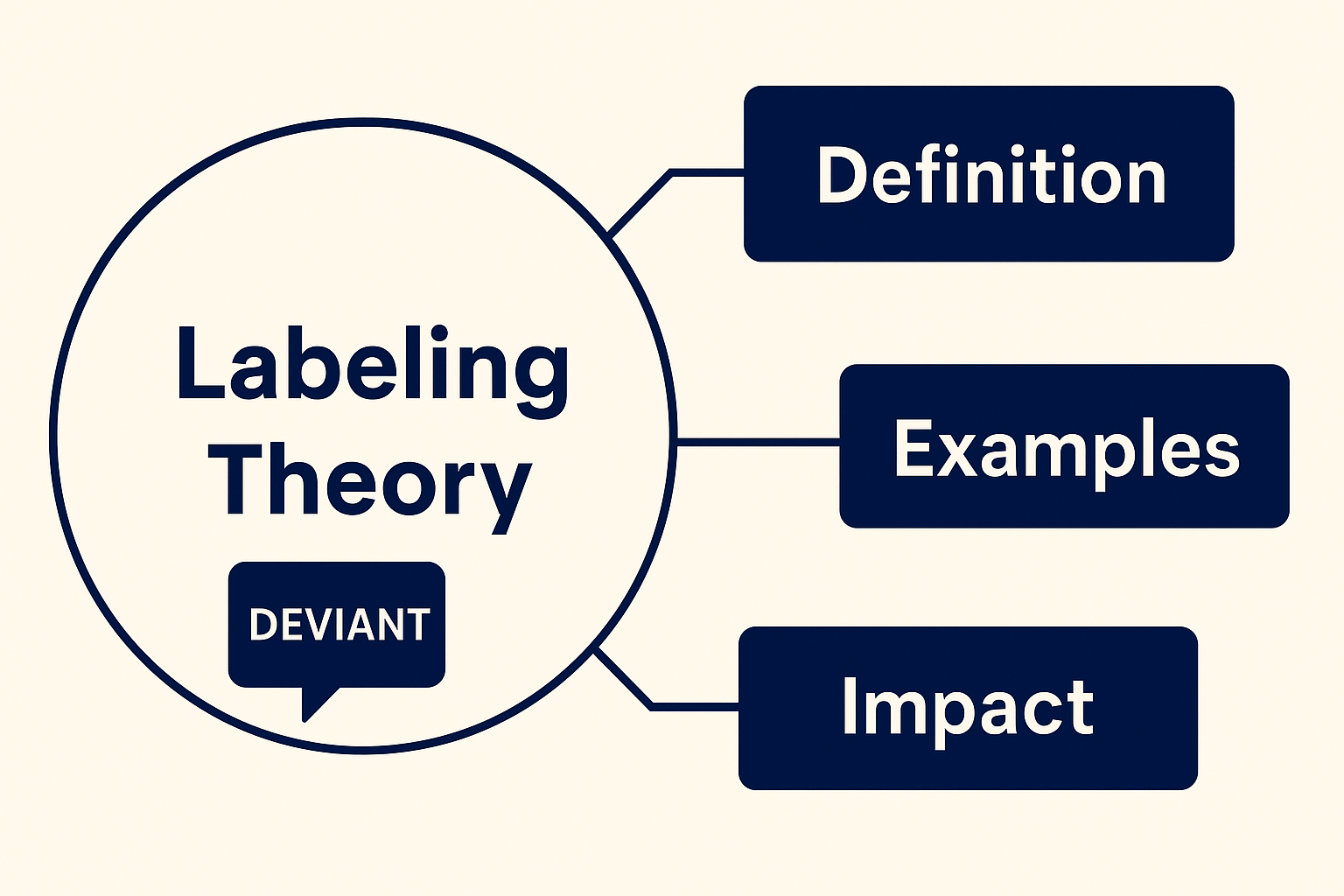
Labeling Theory illustration in criminology

Introduction to Labeling Theory Labeling Theory is one of the foundational perspectives in sociology and criminology that examines how the labels assigned to individuals—especially those engaged in deviant or criminal behavior—shape their identity and social interactions. This theory shifts focus from the deviant act itself to the reaction of society and how such responses influence … Read more

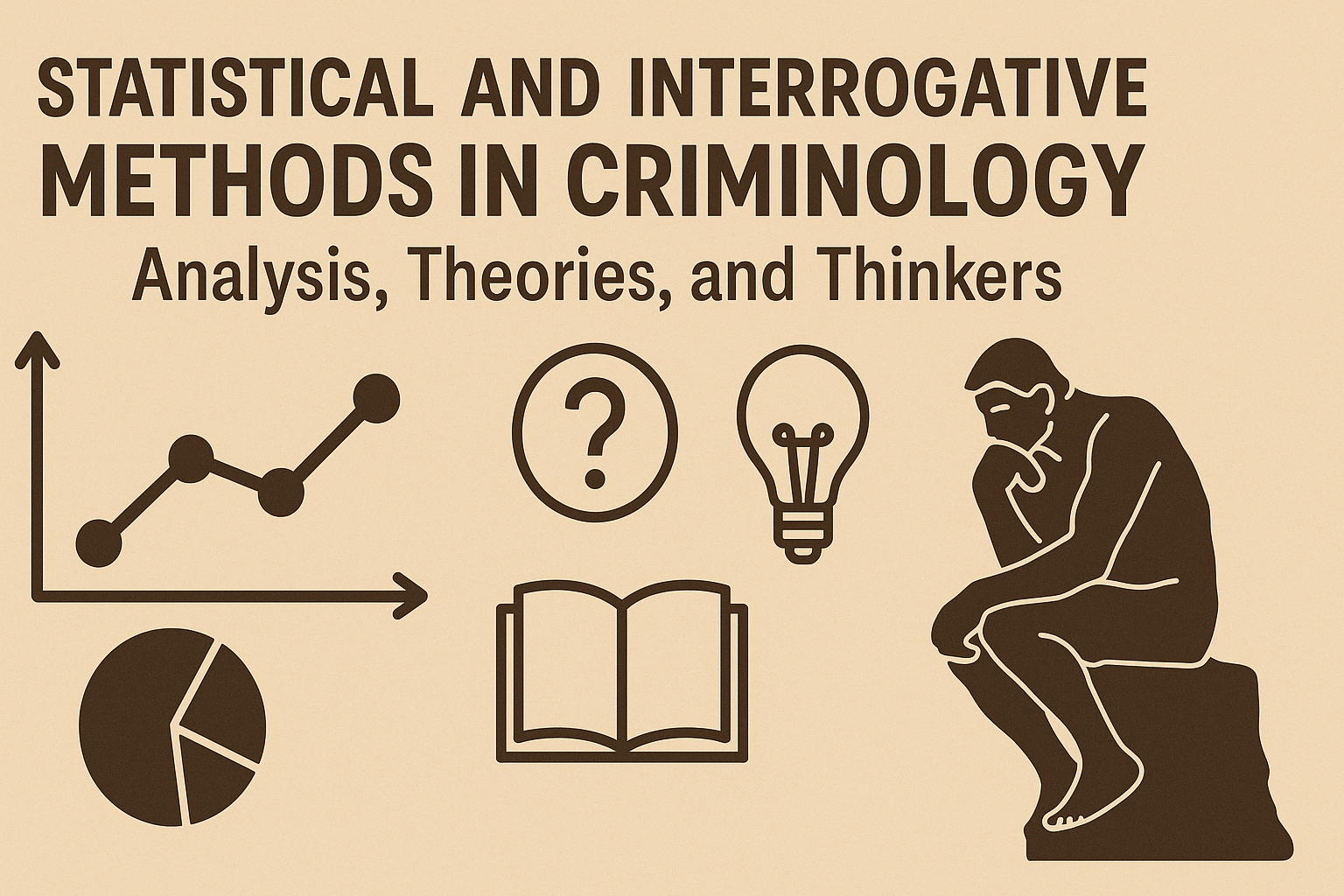
The Statistical Method and the Interrogative Method in Criminology

A black-and-white hand-drawn illustration showing an interrogator and a suspect. The diagram highlights three steps of the interrogation method: open-ended questions, psychological pressure, and breaking silence.

Introduction Criminology is the scientific study of crime, criminal behavior, and the criminal justice system. It aims to analyze the causes, nature, and consequences of criminal acts in society. Within this field, researchers use various tools to uncover patterns, test theories, and interpret criminal phenomena. Two core methodologies dominate criminological research: the statistical method and … Read more

The Relationship Between Criminology and Criminal Statistics

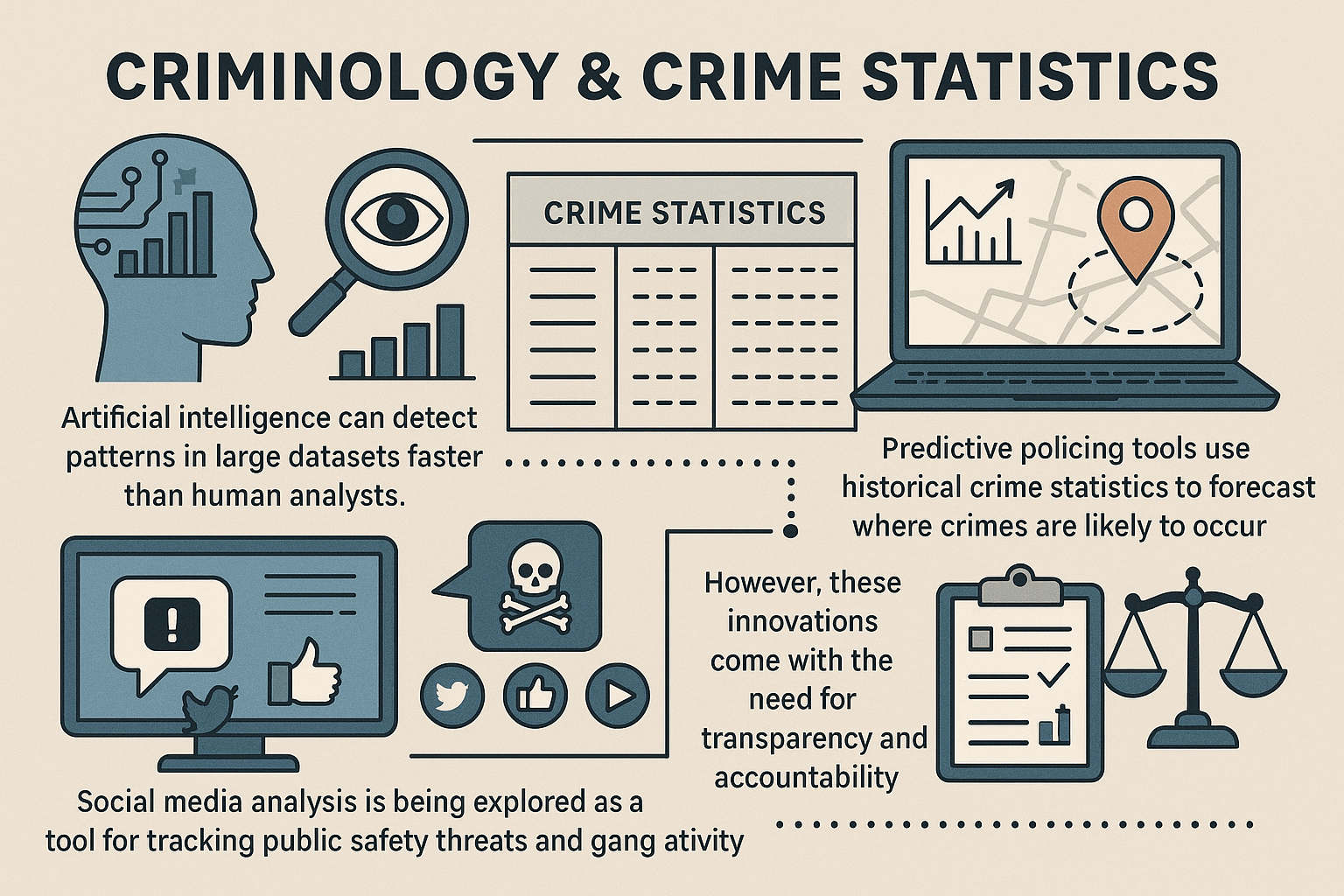
A flat-style infographic illustrating the impact of modern technology on criminology, featuring icons of artificial intelligence, data analysis, predictive policing, and social media monitoring, alongside a message highlighting the importance of transparency and accountability in the use of these innovations.

Introduction Understanding crime is one of the most critical challenges facing modern societies. As criminal activities evolve in complexity and frequency, the need for comprehensive tools to understand, measure, and control crime becomes more urgent. This is where the disciplines of criminology and criminal statistics intersect. Criminology, a social science that studies the nature, causes, … Read more