The Social Milieu School: Exploring Social Influences on Criminal Behavior
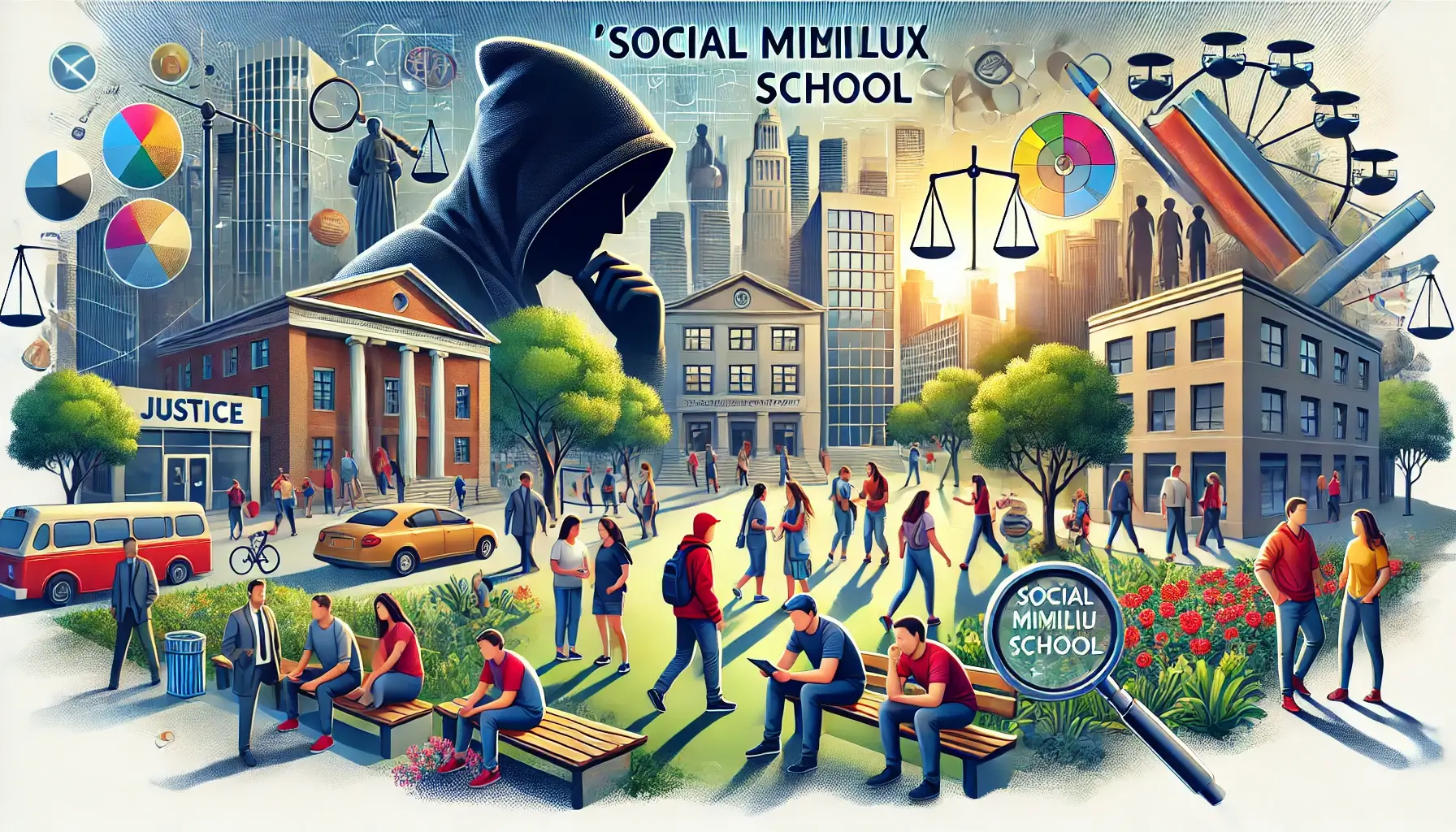
An urban neighborhood illustrating the influence of social environments on community dynamics and behavior

Introduction to The Social Milieu School The Social Milieu School, a critical perspective in criminology, emphasizes the role of social environments in shaping human behavior, particularly criminal tendencies. It proposes that crime is not merely the result of individual pathology or genetic predispositions but is profoundly influenced by the social context in which individuals live. … Read more
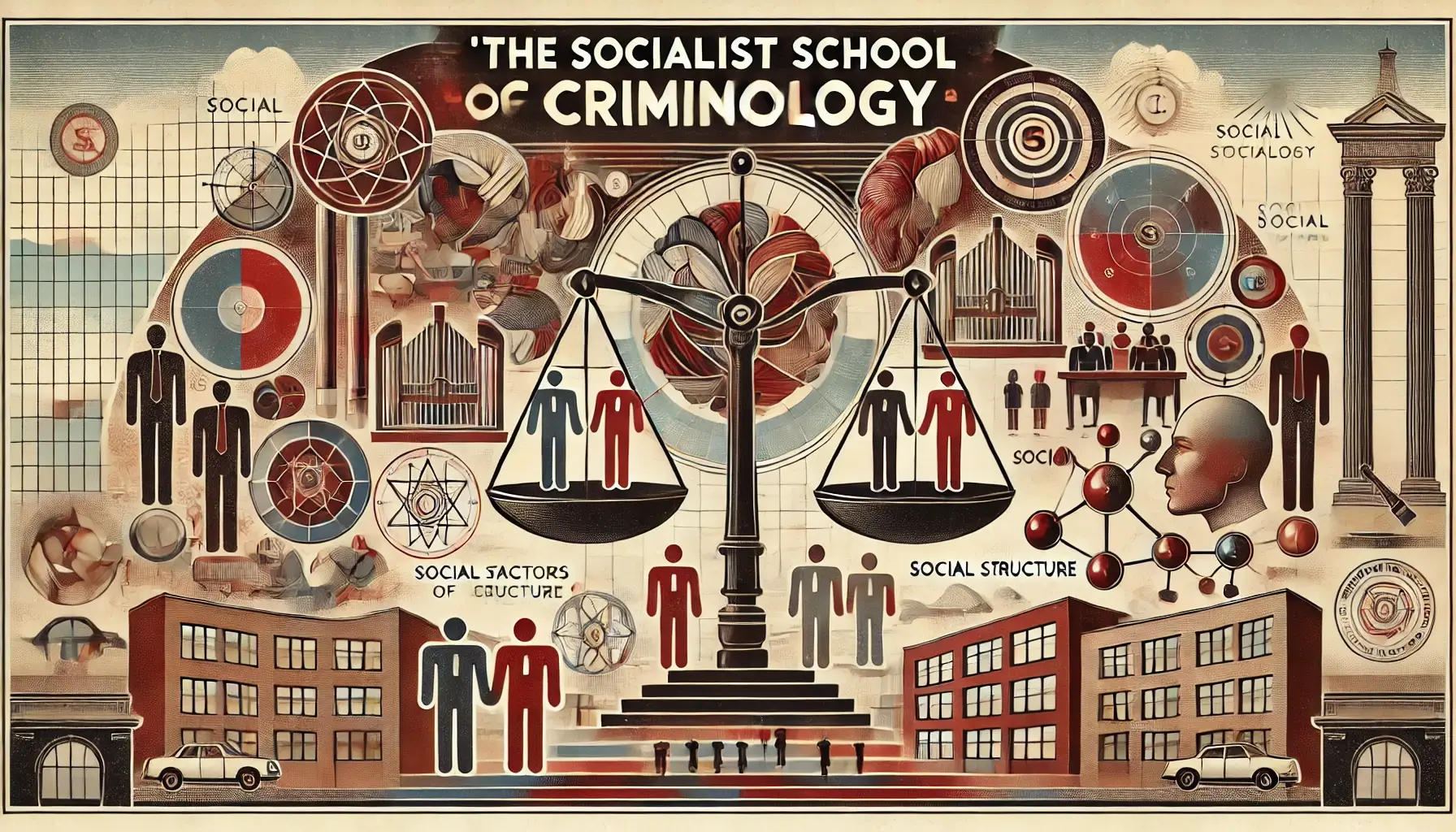
Socialist School of Criminology: Theoretical Foundations and Critiques

Illustration representing the Socialist School of Criminology and its focus on social justice and class struggle.

Introduction to the Socialist School of Criminology The Socialist School of Criminology represents a distinct perspective within the broader field of criminological theories. Rooted in the principles of Marxism, this school seeks to understand crime through the lens of class struggle, economic systems, and societal inequalities. By emphasizing the role of social and economic factors, … Read more

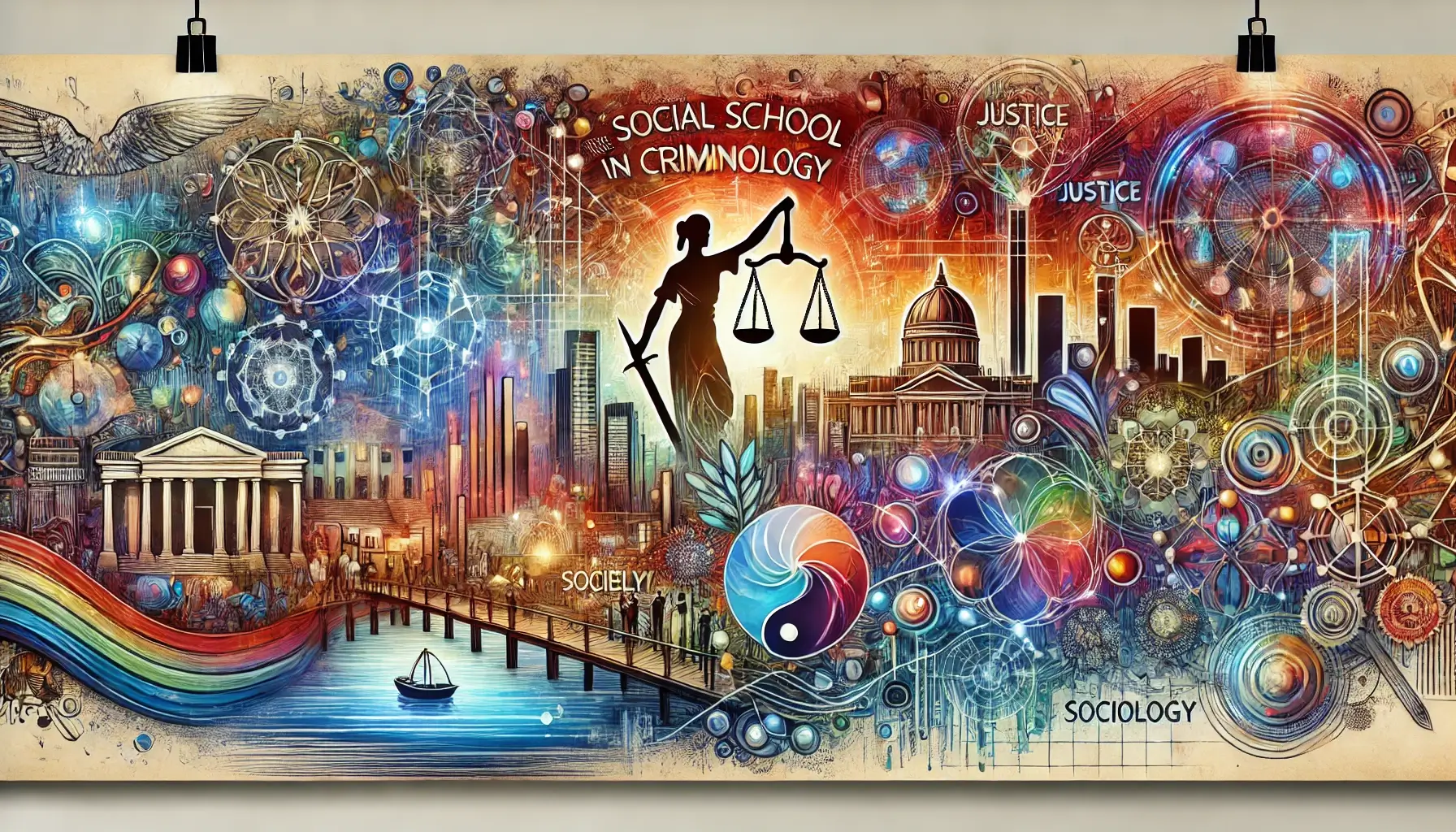
The Social School in Criminology and Its Branches: A Comprehensive Analysis

Visualization of The Social Milieu School in Criminology emphasizing sociology and justice.

Introduction to the Social School in Criminology The Social School in criminology represents a pivotal framework in understanding crime and criminal behavior through the lens of social structures and interactions. Unlike other criminological schools that focus on biological or psychological factors, the Social School emphasizes the role of societal conditions, environments, and relationships in shaping … Read more

Protective Psychology School in Criminology

Conceptual illustration of a safe and supportive environment for youth, emphasizing community and positive growth.

Introduction Criminology, the scientific study of crime and criminal behavior, has evolved through the years by incorporating insights from various disciplines, including psychology. Among the many approaches in criminology, the Protective Psychology School stands out for its emphasis on preventive measures and understanding psychological factors that contribute to criminal behavior. This school of thought is … Read more

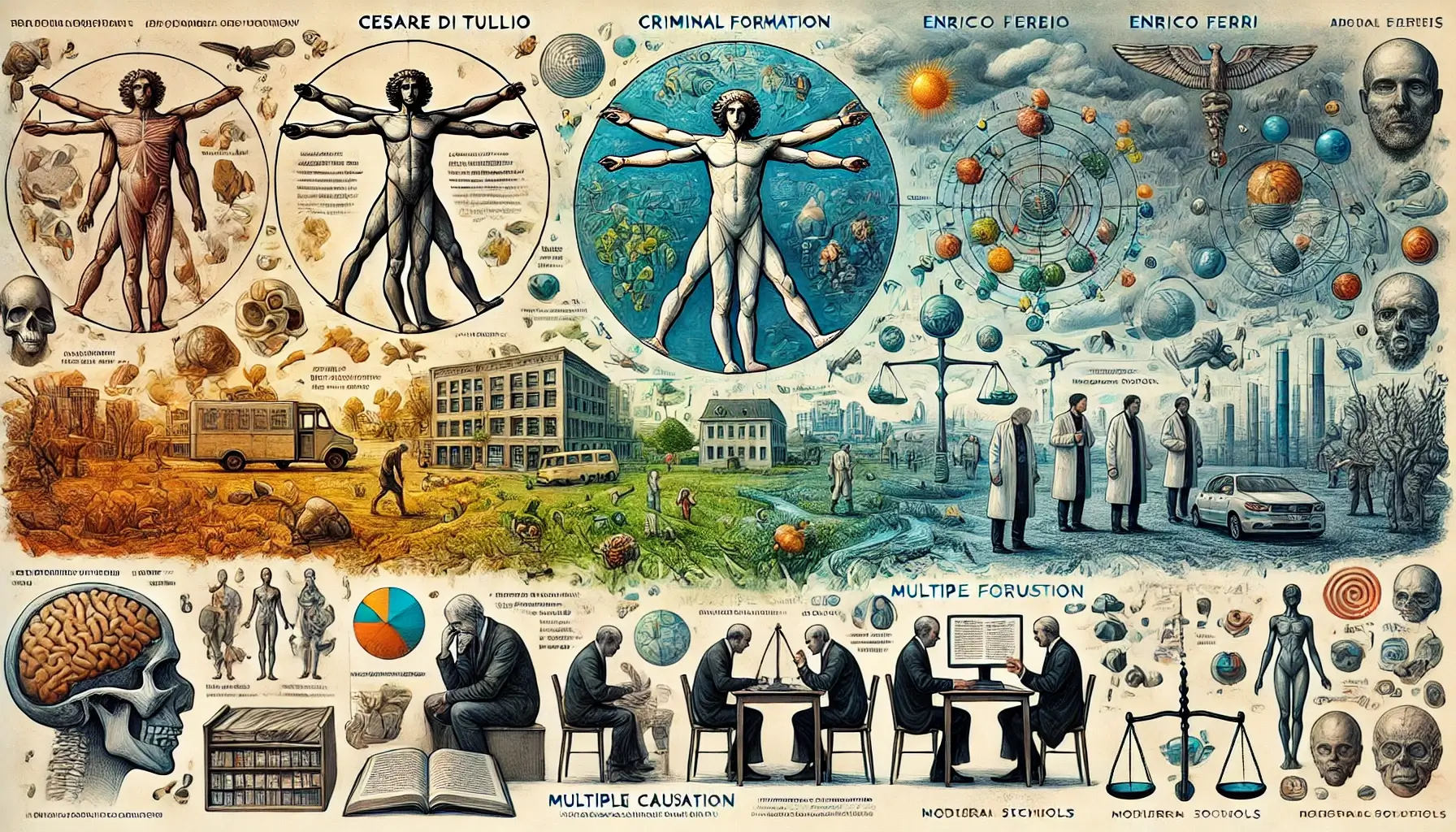
Criminal Formation Theory by Di Tullio: A Comprehensive Analysis

Diagram illustrating Di Tullio’s criminal typology framework

criminality, the Criminal Formation Theory of Raffaele Garofalo Di Tullio stands out as a significant contribution. This theory, often referred to as the “Criminal Typology of Di Tullio,” presents a framework that integrates biological, psychological, and social factors to classify and understand criminal behavior. This article delves into the depths of Di Tullio’s theory, exploring … Read more

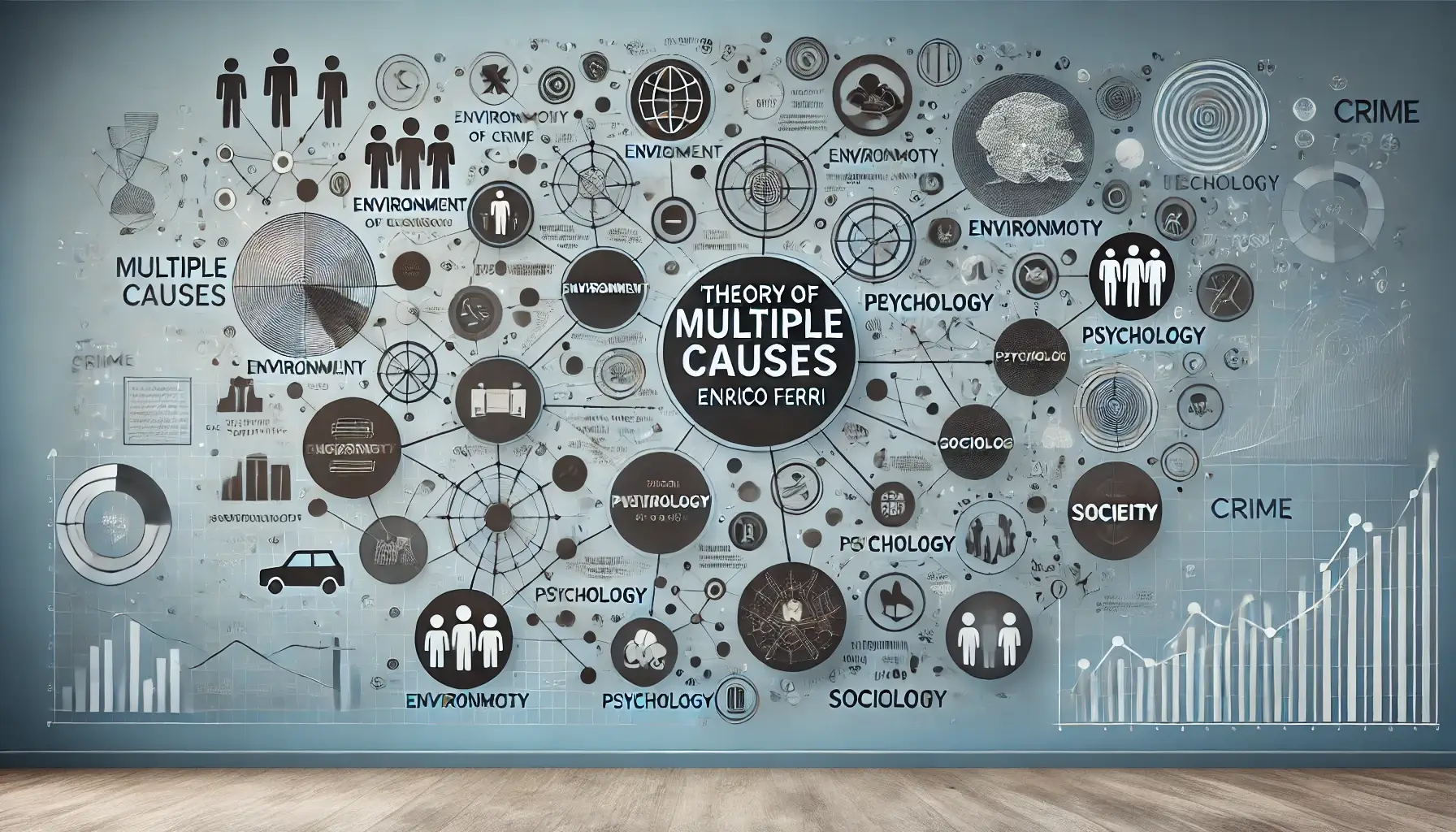
Theory of Multiple Causes: Enrico Ferri

Illustration of Enrico Ferri, the pioneer of the theory of multiple causes in criminology

Introduction The field of criminology has evolved over centuries, with multiple theorists contributing to its development. One of the prominent figures in modern criminology is Enrico Ferri, an Italian criminologist, sociologist, and politician. Ferri’s theory of multiple causes represents a significant departure from earlier deterministic approaches, such as Cesare Lombroso’s biological determinism. Ferri emphasized the … Read more

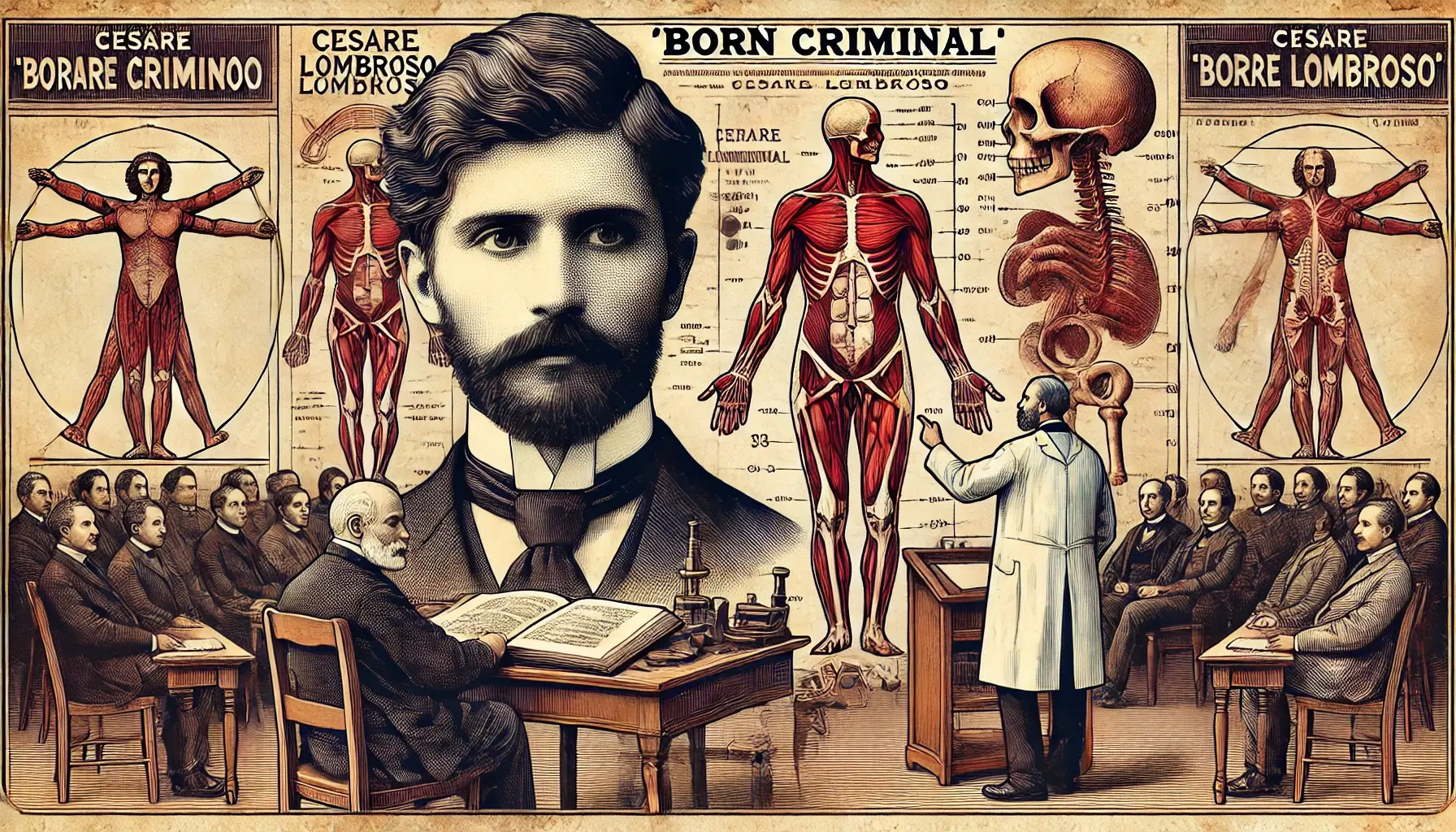
The Formative School: The Classical Formative School and the Modern Formative School

Cesare Lombroso presenting his theory of born criminals

The Formative School represents a pivotal paradigm in criminology, emphasizing the exploration of criminal behavior through biological, psychological, and sociological lenses. Emerging as a response to classical theories, this school of thought bridges scientific rigor with practical applications. By examining the origins and evolution of criminal tendencies, the Formative School has significantly contributed to understanding, … Read more

Evaluation of the Ideas of the Modern Formative School

Illustration representing modern criminology theories with justice and science

The modern formative school represents a pivotal evolution in criminology, bridging classical theories with contemporary understandings of crime and human behavior. Emerging as a response to the limitations of earlier criminological schools, the modern formative school integrates a multidisciplinary approach, blending elements from psychology, sociology, biology, and criminal policy. This article evaluates the core ideas … Read more

Modern Formation School in Criminology

Modern Formation School in Criminology A Comprehensive Overview

The Modern Formation School in criminology represents a significant evolution in the study of criminal behavior. By emphasizing the interplay of biological, psychological, and sociological factors, this school of thought seeks to provide a comprehensive understanding of crime and its underlying causes. Within this framework, two prominent theories stand out: the Criminal Formation Theory by … Read more

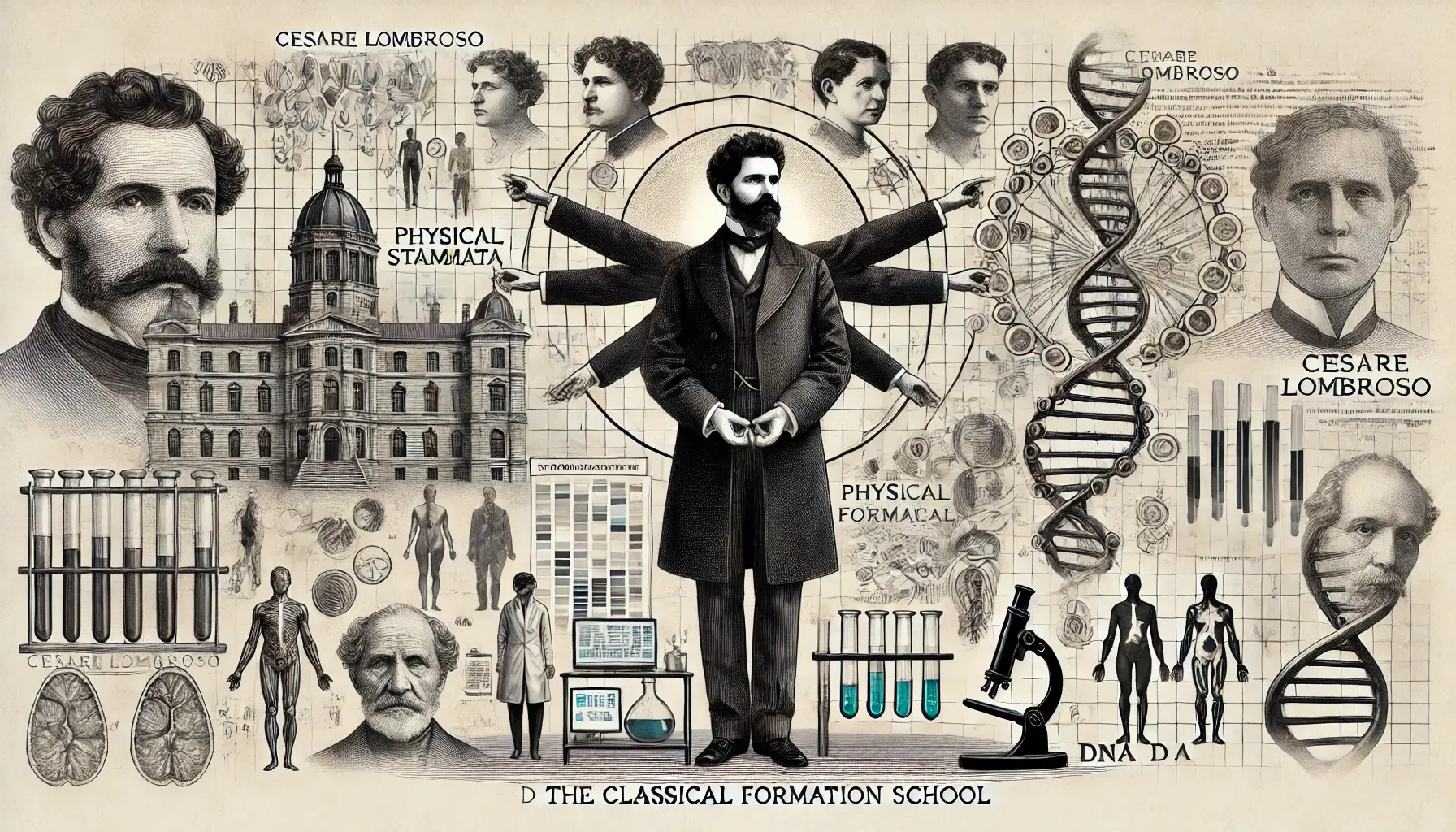
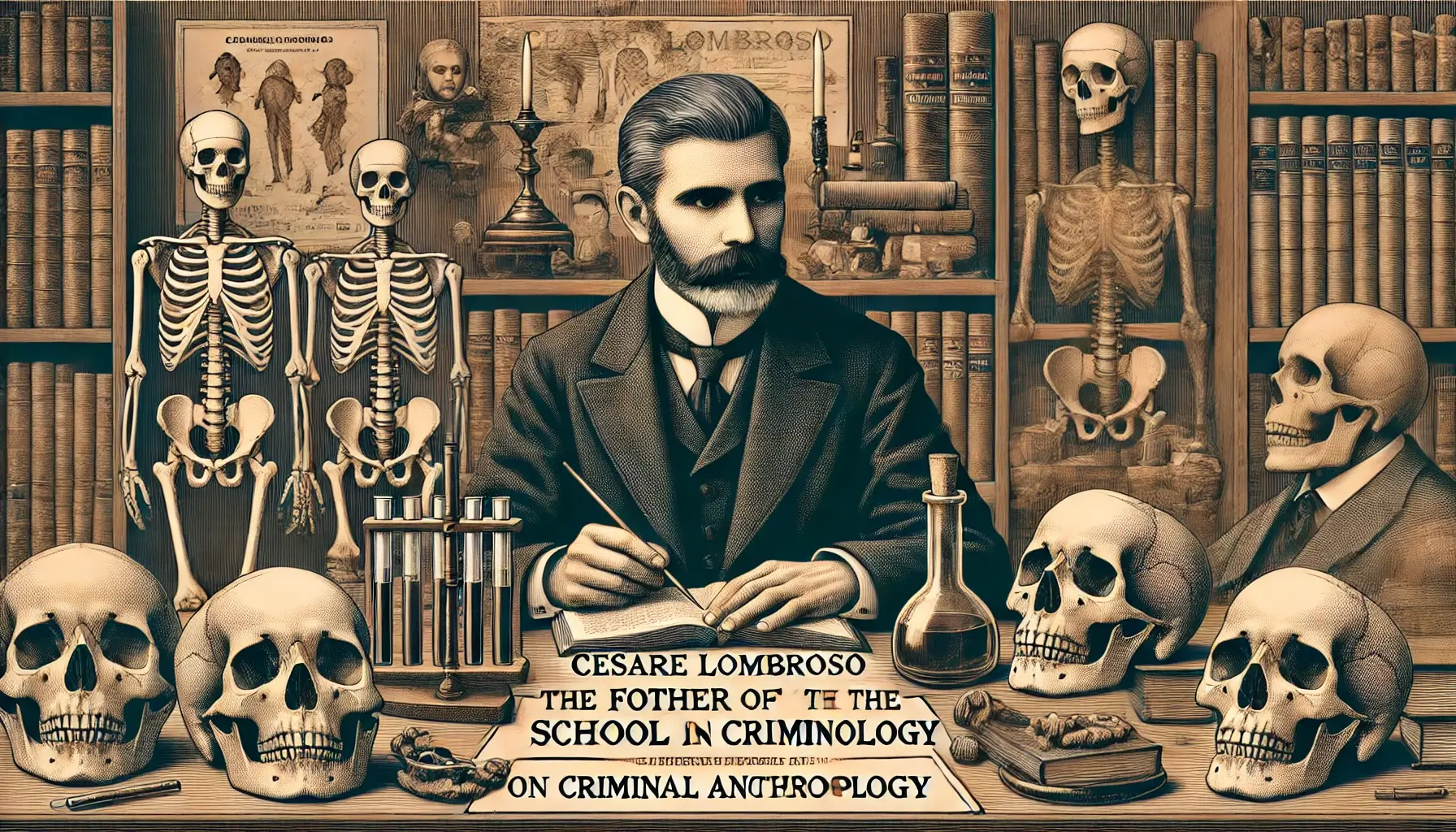
Lombroso’s Theory and Its Evaluation: A Historical Insight into the Classical Formation School of Criminology

Lombroso's Theory and Its Evaluation: A Historical Insight into the Classical Formation School of Criminology

Introduction The Classical Formation School of criminology marks a significant turning point in understanding crime and criminal behavior. Among its most influential contributors was Cesare Lombroso, an Italian physician and criminologist whose theories profoundly shaped the early development of the field. Lombroso introduced the idea that criminality was biologically determined, challenging the classical view that … Read more

The Psychoanalytic School: Understanding Crime Through Psychology

A split image illustrating the psychoanalytic perspective on crime; on one side, a therapy session with a psychologist and patient, and on the other, a dark criminal scene, symbolizing the connection between psychology and criminal behavior.

The Psychoanalytic School of criminology offers a profound exploration of criminal behavior through the principles of psychoanalysis. This school, inspired by the theories of Sigmund Freud and expanded upon by subsequent psychologists, examines the unconscious mind’s role in shaping human actions, including criminality. By focusing on internal conflicts, early childhood experiences, and psychological development, the … Read more

The Formative School: Foundations, Thinkers, and Modern Impact on Criminology

Cesare Lombroso analyzing anthropological traits in his lab

The Formative School represents a pivotal framework in the history of criminology, offering foundational insights into understanding criminal behavior. Emerging during the late 19th and early 20th centuries, this school emphasized the role of biological, psychological, and sociological factors in shaping criminal tendencies. Unlike classical theories that focused on free will and rational choice, the … Read more