Neurocriminology: Understanding the Brain’s Role in Criminal Behavior
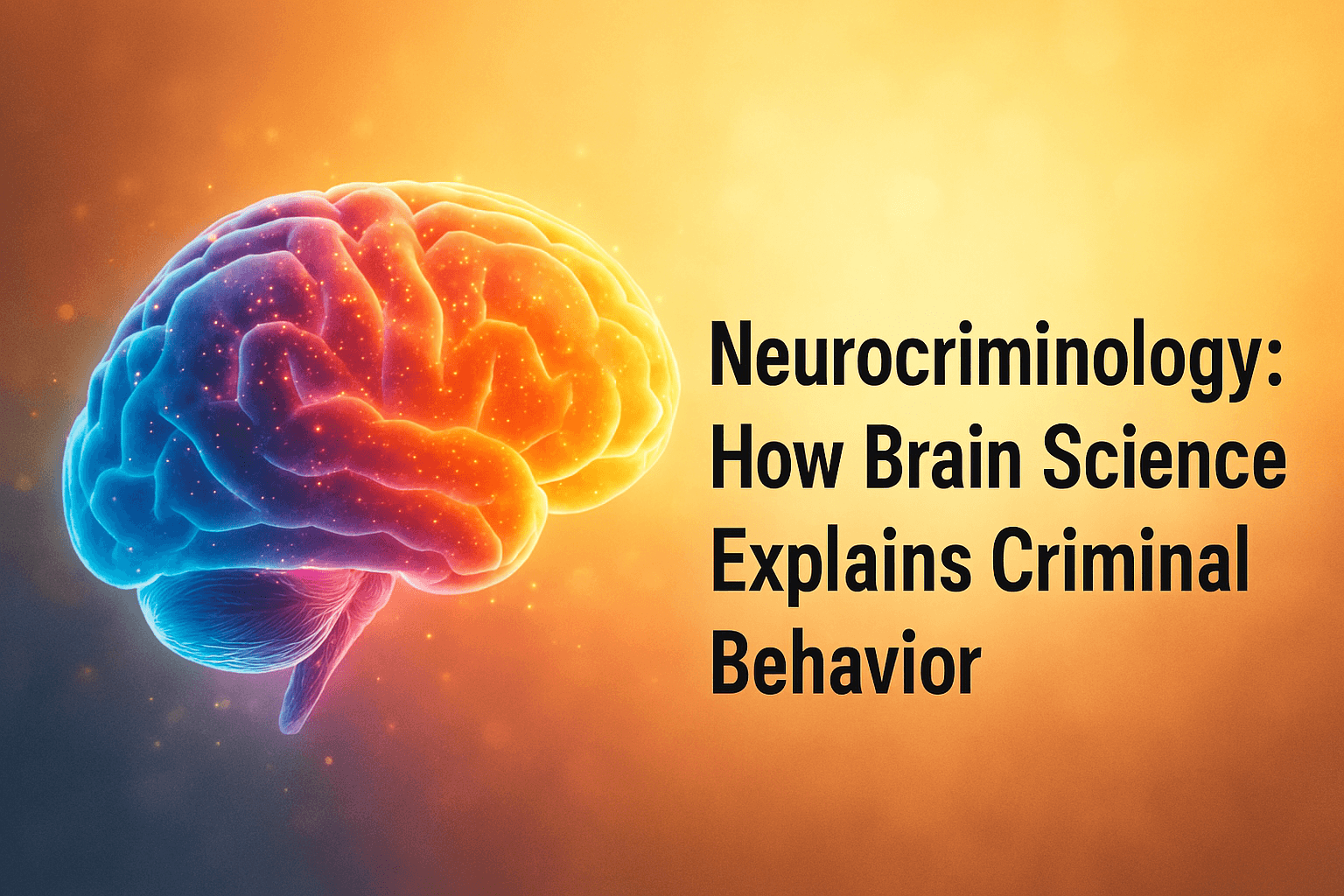
Exploring Neurocriminology through brain imaging and neuroscience, revealing the biological basis of criminal actions.

Introduction to Neurocriminology Neurocriminology is an interdisciplinary field that merges neuroscience, psychology, and criminology to explore the biological and neurological underpinnings of criminal behavior. With advancements in brain imaging technology and genetics, researchers are uncovering critical insights into how brain structure, function, and genetic predispositions contribute to violent and antisocial behaviors. This article delves into … Read more
Crime and Criminal Behavior: Causes, Theories, and Prevention

A detailed analysis of crime and criminal behavior including its causes, theories, and prevention strategies.

Introduction to Crime and Criminal Behavior Crime and criminal behavior are fundamental concerns in society, influencing legal systems, policies, and public safety measures. Crime refers to actions that violate legal norms and result in societal condemnation, while criminal behavior encompasses the psychological, social, and economic factors that lead individuals to commit crimes. Understanding the nature … Read more

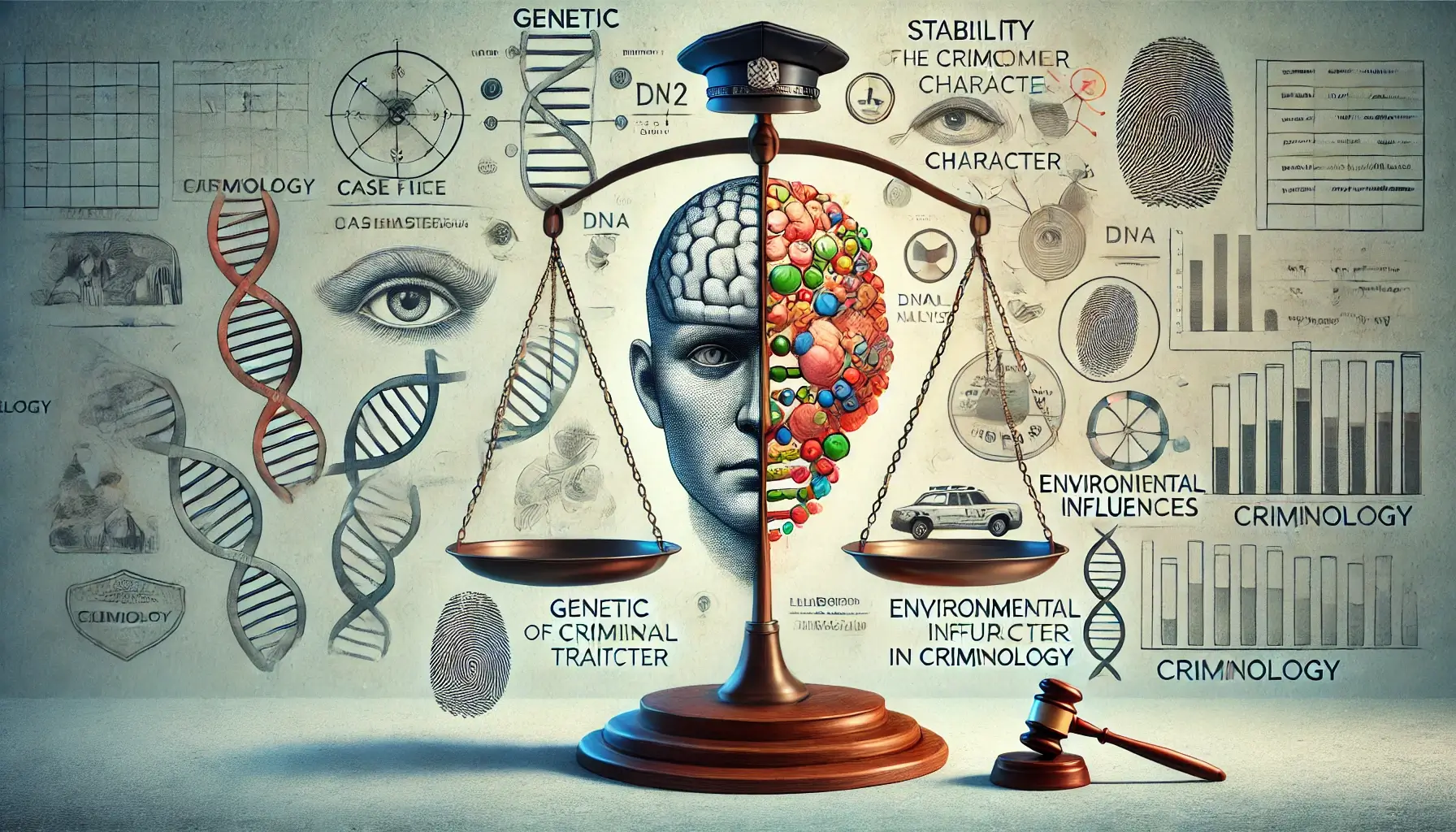
The Stability of the Criminal Character in Criminology: Exploring the Roots of Persistent Criminal Behavior

A conceptual illustration depicting the stability of the criminal character in criminology. The image features a balance scale representing genetic and psychological traits on one side and environmental influences on the other, with forensic and legal elements in the background.

Introduction: Defining the Criminal Character in Criminology The study of criminology encompasses a wide range of topics, one of the most intriguing being the concept of the criminal character. Understanding the stability of the criminal character is crucial for criminologists, as it helps explain why certain individuals engage in criminal behavior over time, while others … Read more

Economic Factors Play a Significant Role in Shaping Criminality

Illustration showing the impact of poverty on crime rates

Economic factors play a fundamental role in shaping societies, influencing criminality, and determining social stability. Criminology examines how economic conditions such as poverty, unemployment, and income inequality contribute to crime rates. These factors influence both individual behavior and systemic criminal trends, making economic conditions a key area of study in understanding crime. This article explores … Read more

The Criminal Man: A Revolutionary Study in Criminology (Cesare Lombroso)

A dramatic portrait of Cesare Lombroso holding an open copy of The Criminal Man against a dark background, illuminated by warm cinematic lighting.

In the dark corridors of the nineteenth century, where prisons echoed with silence and courtrooms carried the weight of human judgment, a revolutionary mind emerged to challenge everything the world believed about crime. That mind belonged to Cesare Lombroso — the controversial pioneer whose ideas would forever transform the foundations of criminology. What turns an … Read more

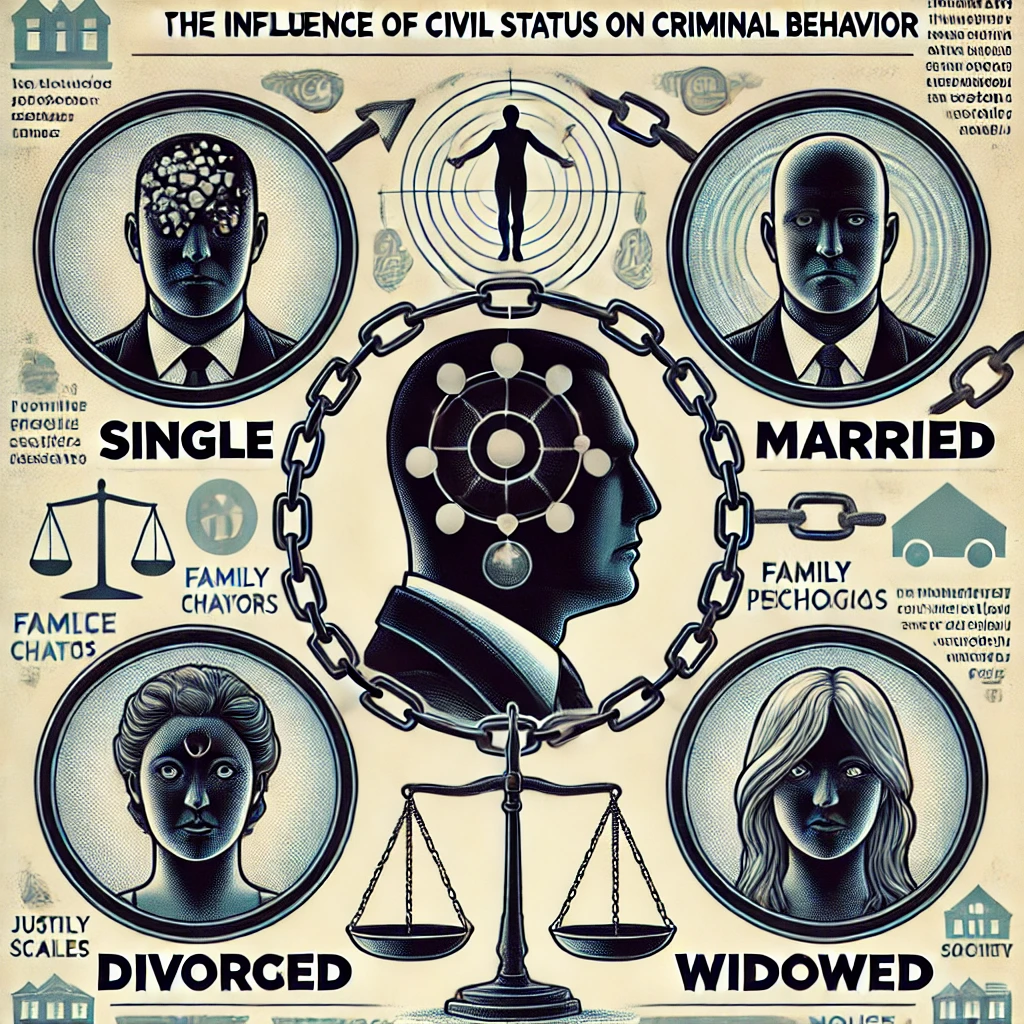
The Influence of Civil Status on Criminal Behavior

Influence of marital status on criminal behavior

Criminal behavior is a complex phenomenon influenced by a variety of social, psychological, and environmental factors. Among these, civil status—whether an individual is single, married, divorced, or widowed—plays a significant role. Understanding how civil status affects criminal tendencies can provide insights into social structures and guide policymakers in developing targeted prevention strategies. This article explores … Read more

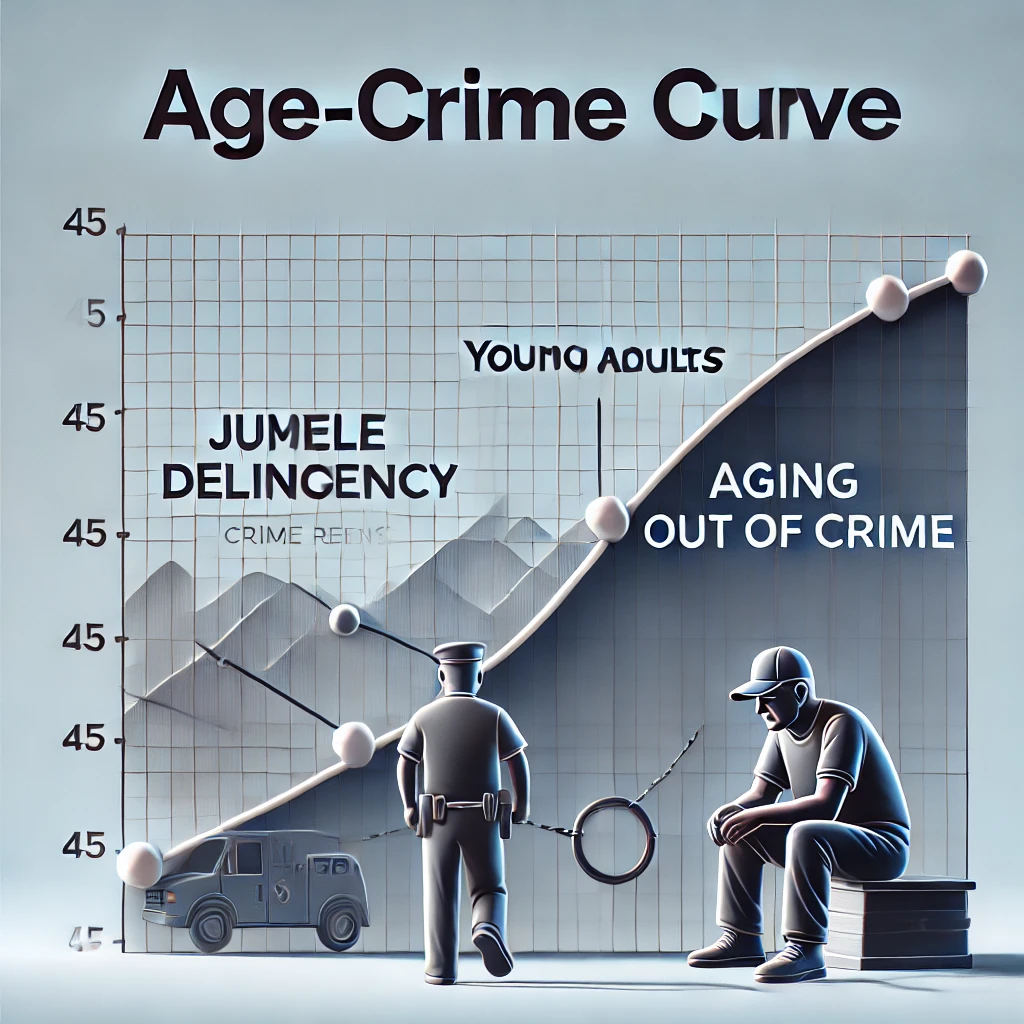
The Role of Age in Criminal Behavior

What is the age-crime curve?

The study of criminal behavior is a multidisciplinary endeavor, encompassing sociology, psychology, and criminology. Among the many factors that influence criminal activity, age emerges as a crucial determinant. Research consistently shows that criminal behavior varies significantly across different age groups, with distinct patterns, motivations, and societal impacts. Understanding the role of age in criminal behavior … Read more

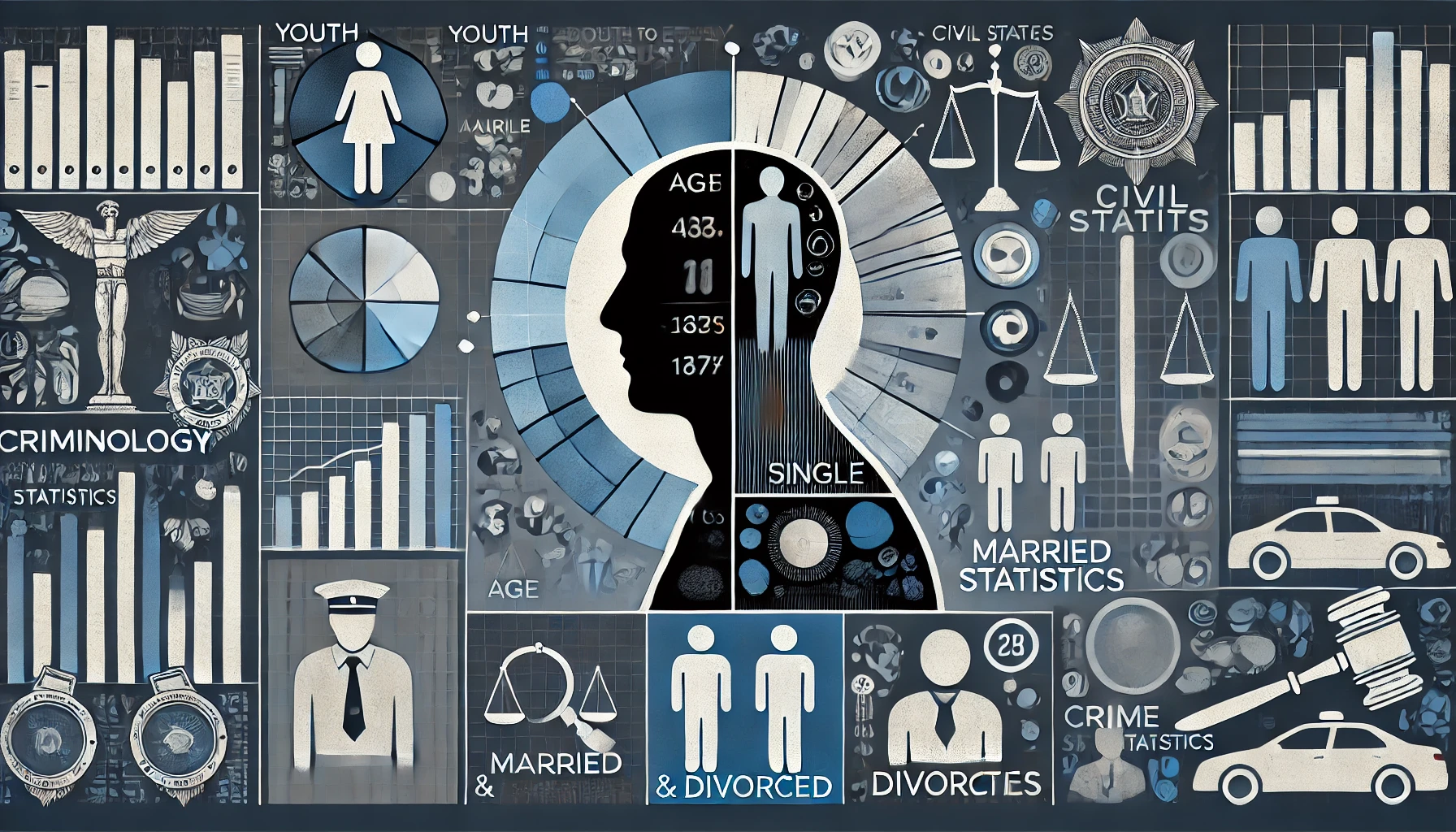
The Age and Civil Status of the Criminal

Conceptual illustration of criminology with symbols for age, civil status, and justice scales.

Understanding the motivations and influences behind criminal behavior requires a comprehensive examination of various internal and external factors. Among these, the internal incidental factors such as age and civil status play a crucial role in shaping the patterns and types of crimes committed. These factors provide valuable insights into the psychological, social, and environmental dynamics … Read more

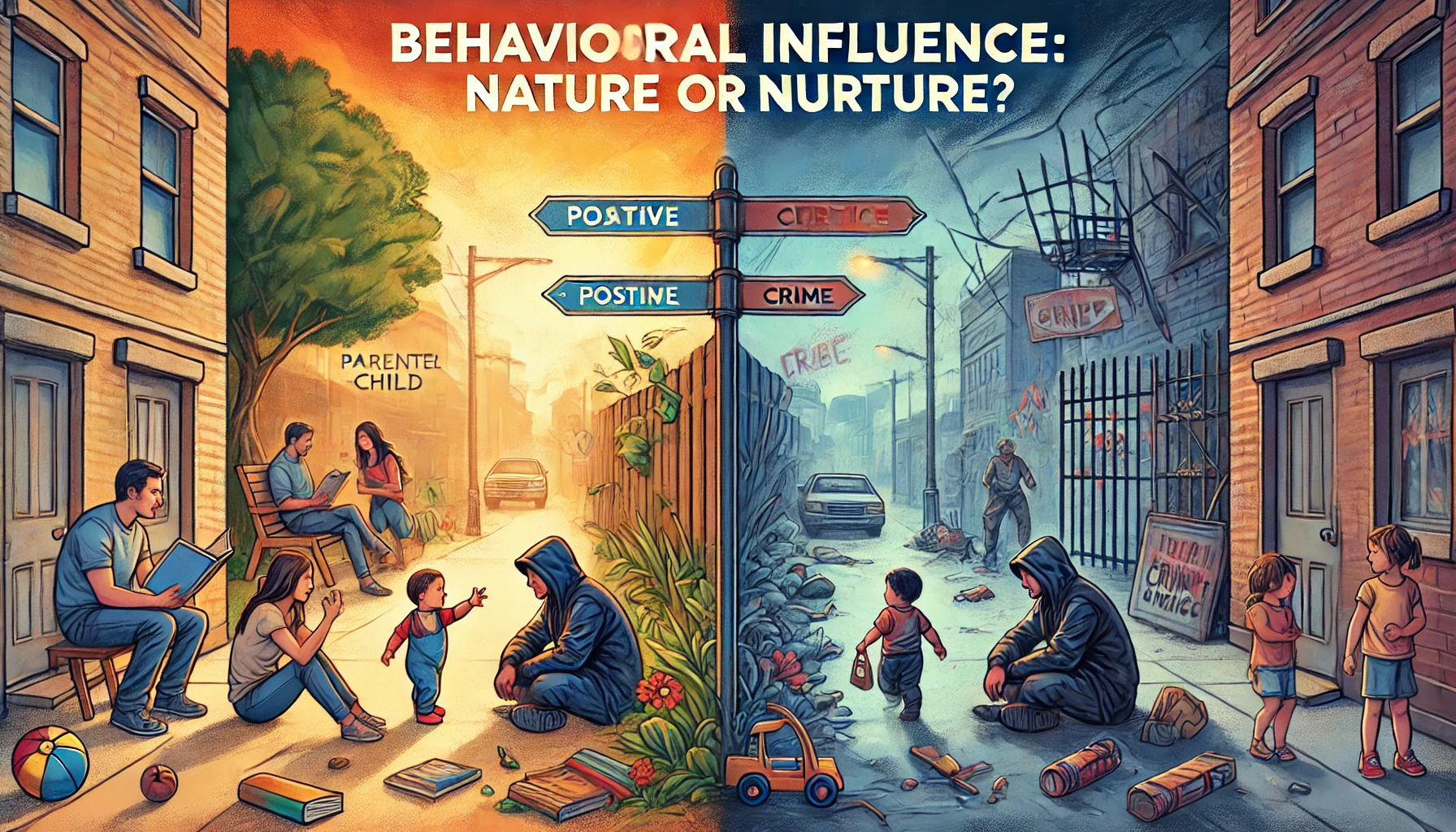
Parent-Child Behavioral Similarities in Crime | Criminology

The Foundations of Parent-Child Behavioral Similarities

Understanding the transmission of criminal behavior within families has long been a focus of criminology and psychology. Parent-child behavioral similarities in crime highlight the complex interplay of genetics, upbringing, and environmental factors. Why do certain traits or behaviors appear to pass from one generation to the next? This article explores the factors contributing to such … Read more

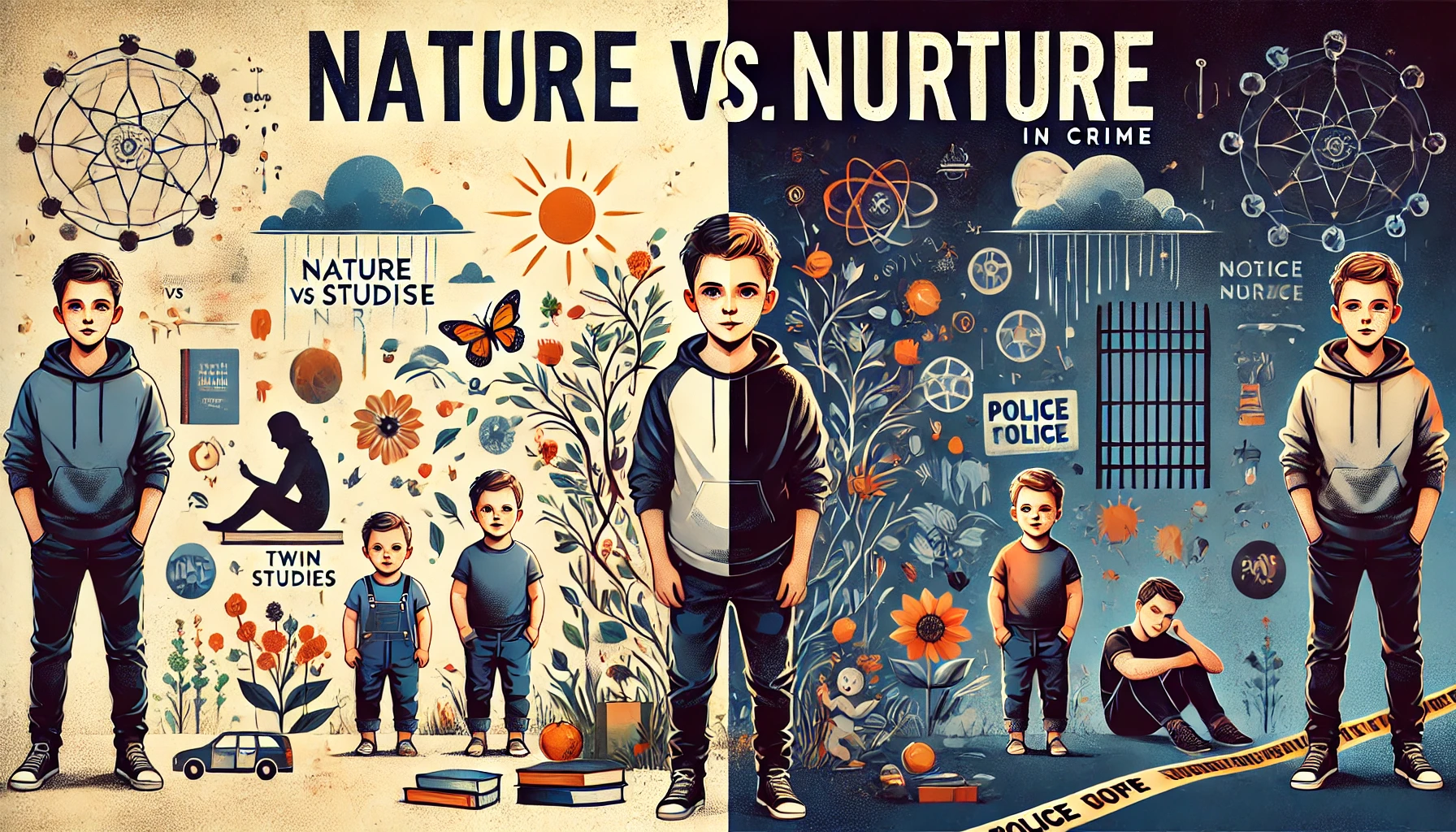
Twin Studies: Nature vs. Nurture in Crime

An illustration depicting nature vs. nurture in crime through twin studies, showing the interplay between genetic and environmental factors.

The debate between nature and nurture has long fascinated scientists, especially in understanding human behavior and criminal tendencies. Twin studies offer a unique lens to explore this dynamic by examining the genetic and environmental factors influencing crime. Identical twins (monozygotic) share 100% of their DNA, while fraternal twins (dizygotic) share about 50%. Comparing these groups … Read more

Family Tree Studies and Crime: Exploring the Link Between Genealogy and Criminal Behavior

A detective's desk showcasing a family tree and DNA analysis tools used in crime investigation.

The study of family trees, or genealogy, has long fascinated individuals seeking to uncover their heritage and cultural roots. Beyond personal curiosity, genealogy has emerged as a powerful tool in scientific research, particularly in criminology. By analyzing familial relationships and genetic data, researchers have begun to explore how family histories and inherited traits might influence … Read more

Social Theory in Criminology: Understanding the Social Roots of Crime

A horizontal infographic titled 'Social Theory in Criminology' featuring interconnected icons and labels representing key concepts such as strain theory, labeling, conflict, and social disorganization, set against a blue-toned background.

Introduction Social theory in criminology provides a framework for understanding how social structures, relationships, and cultural norms influence criminal behavior. By exploring the intersections of society and crime, social theories aim to explain why individuals or groups deviate from societal norms and engage in unlawful acts. Understanding the roots of criminal behavior is a complex … Read more